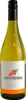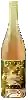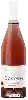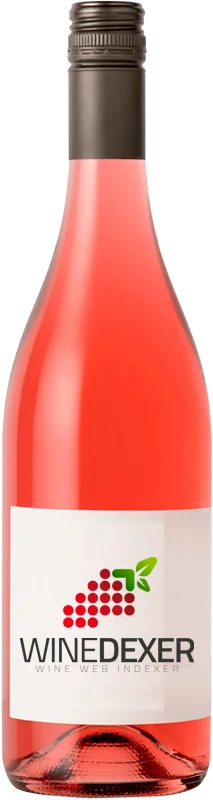
Winery SpindriftRosé
 Pink wine



This wine generally goes well with pork, poultry or veal.

Food and wine pairings with Rosé
Pairings that work perfectly with Rosé



Original food and wine pairings with Rosé


The Rosé of Winery Spindrift matches generally quite well with dishes of veal, pork or game (deer, venison) such as recipes of stuffed cutlets, beef carrots or gigolette of rabbit.
Details and technical informations about Winery Spindrift's Rosé.
Discover the grape variety: Pinot noir
Elegant reds, light in colour with silky tannins, showing strawberry, cherry and raspberry aromas, evolving to forest floor, mushroom and spice with age. Fresh acidity, delicate finish. Star of the Côte d'Or (Romanée-Conti, Chambertin, Volnay), pillar of Champagne (Blanc de Noirs) and signature of Oregon, Central Otago and Sonoma Coast. An early-ripening Burgundian variety, one of the world's greatest.
Last vintages of this wine
The best vintages of Rosé from Winery Spindrift are 0, 2013
Informations about the Winery Spindrift
The Winery Spindrift is one of of the world's greatest estates. It offers 20 wines for sale in the of Willamette Valley to come and discover on site or to buy online.

The wine region of Willamette Valley
World benchmark for Pinot Noir outside Burgundy: elegant, fine reds with notes of cherry, raspberry, plum, undergrowth, damp earth and sweet spices, silky tannins and acidity preserved by the cool climate. Star grape on volcanic soils (Jory), Burgundian latitude (45°). Also taut Chardonnay in full quality rise, round Pinot Gris and lively Riesling. Oregon's main AVA (240 km between Coast Range and Cascades).
The wine region of Oregon
American benchmark for fresh, elegant Pinot Noir. Fine, silky reds with signature notes of red cherry, raspberry, wild strawberry, undergrowth and spice, delicate tannins and taut freshness — the closest style to Burgundy outside France. Iconic Willamette Valley on volcanic (Jory) and marine soils. Also precise, mineral Chardonnay, ample Pinot Gris (pear, honey), taut Riesling.
The word of the wine: Deposit
Solid particles that can naturally coat the bottom of a bottle of wine. It is rather a guarantee that the wine has not been mistreated: in fact, to avoid the natural deposit, rather violent processes of filtration or cold passage (- 7 or - 8 °C) are used in order to precipitate the tartar (the small white crystals that some people confuse with crystallized sugar: just taste to dissuade you from it)