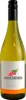
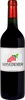
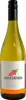
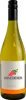
Winery ŠpalekKraví Hora Sauvignon
 White wine



This wine generally goes well with vegetarian, rich fish (salmon, tuna etc) or shellfish.
Wine flavors and olphactive analysis


On the nose the Kraví Hora Sauvignon of Winery Špalek in the region of Morava often reveals types of flavors of earth, vegetal or tree fruit and sometimes also flavors of black fruit.
Food and wine pairings with Kraví Hora Sauvignon
Pairings that work perfectly with Kraví Hora Sauvignon



Original food and wine pairings with Kraví Hora Sauvignon
The Kraví Hora Sauvignon of Winery Špalek matches generally quite well with dishes of rich fish (salmon, tuna etc), shellfish or vegetarian such as recipes of tuna provencal style, blanquette of the sea or quiche with bacon and gruyère cheese.
Details and technical informations about Winery Špalek's Kraví Hora Sauvignon.
Discover the grape variety: Dimiat
This variety is cultivated in practically all of Bulgaria, much more so in the region around the Black Sea. Among white varieties, it is still the most widely planted in this country, just ahead of rkatziteli. It is also found in the former Yugoslavia, Albania, Romania, Hungary, Turkey and Greece. It is believed to be the result of a natural intraspecific cross between coarna alba - a Romanian variety - and white gouais.
Last vintages of this wine
The best vintages of Kraví Hora Sauvignon from Winery Špalek are 2017, 2018, 0, 2016
Informations about the Winery Špalek
The Winery Špalek is one of of the world's greatest estates. It offers 32 wines for sale in the of Morava to come and discover on site or to buy online.

The wine region of Morava
Moravia, with roughly 95 percent of the nation's Vine plantings, is the engine room of the Czech Republic's wine industry. The Center of intensively farmed bulk-wine production is also showing great promise as a producer of quality white wines. This is largely thanks to its cool Climate, comparable in many ways to that in Nahe or Pfalz, the white-wine specialists a few hundred miles west in Germany. Moravian winelands enjoy a Vineyard year well suited to the production of Complex aromatics with good Acidity.
The word of the wine: Full
A full, complete and harmonious wine, offering a great wealth of flavours.