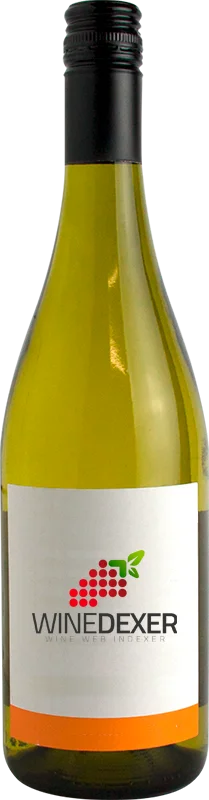
Winery South IslandChardonnay
 White wine
In the mouth this white wine is a powerful with a nice freshness.
This wine generally goes well with pork, vegetarian or poultry.

Taste structure of the Chardonnay from the Winery South Island
Light | Bold | |
Dry | Sweet | |
Soft | Acidic |
In the mouth the Chardonnay of Winery South Island in the region of South Island is a powerful with a nice freshness.
Food and wine pairings with Chardonnay
Pairings that work perfectly with Chardonnay



Original food and wine pairings with Chardonnay

The Chardonnay of Winery South Island matches generally quite well with dishes of pork, rich fish (salmon, tuna etc) or vegetarian such as recipes of turkey roulades, flavoured sauce, peppers stuffed with tuna and parmesan or light tuna-tomato quiche (without cream).
Details and technical informations about Winery South Island's Chardonnay.
Discover the grape variety: Chardonnay
Whites with many faces: mineral and taut at Chablis (lemon, green apple, flint), opulent and buttery at Meursault and Puligny-Montrachet (hazelnut, brioche, yellow fruits), tense and chalky in Champagne (Blanc de Blancs). Also vinified sparkling and widely exported (Sonoma, Margaret River, Casablanca). A Burgundian variety, a cross of Pinot Noir × Gouais Blanc, half-sibling of Aligoté.
Informations about the Winery South Island
The Winery South Island is one of of the world's greatest estates. It offers 6 wines for sale in the of South Island to come and discover on site or to buy online.

The wine region of South Island
New Zealand's southern island, cradle of the country's great wines. Sauvignon Blanc signature in Marlborough (~80% of national vineyard): explosive and tropical with grapefruit, passion fruit, boxwood, cut grass and mineral touch — global benchmark. Pinot Noir star in Central Otago (among the most southerly) and Waipara: airy with cherry, raspberry, undergrowth, thyme. Taut Riesling, precise Chardonnay, floral Pinot Gris.
The word of the wine: Maturing (champagne)
After riddling, the bottles are stored on "point", upside down, with the neck of one bottle in the bottom of the other. The duration of this maturation is very important: in contact with the dead yeasts, the wine takes on subtle aromas and gains in roundness and fatness. A brut without year must remain at least 15 months in the cellar after bottling, a vintage 36 months.






