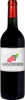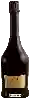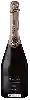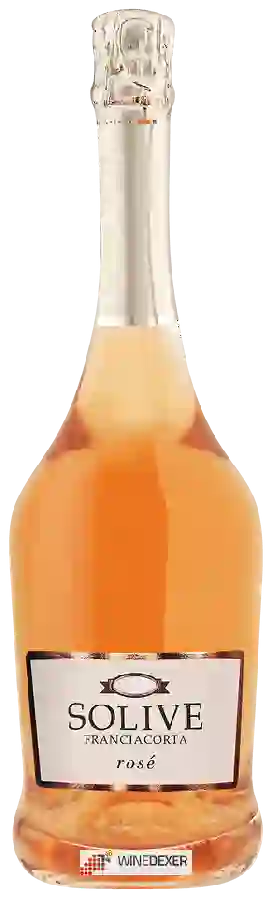
Winery SoliveFranciacorta Brut Rosé
 Sparkling wine



This wine generally goes well with pork, poultry or beef.

Food and wine pairings with Franciacorta Brut Rosé
Pairings that work perfectly with Franciacorta Brut Rosé



Original food and wine pairings with Franciacorta Brut Rosé


The Franciacorta Brut Rosé of Winery Solive matches generally quite well with dishes of beef, lamb or pork such as recipes of blanquette of monkfish with small vegetables, leg of lamb with herb stuffing or endives au gratin without béchamel sauce.
Details and technical informations about Winery Solive's Franciacorta Brut Rosé.
Discover the grape variety: Muscadine
Sweet and liqueur wines with a highly distinctive foxy, musky character, amber to golden colour, lush palate, showing powerful signature aromas of wild muscat (foxy signature), exotic fruits, flowers and earthy notes. Distinctly southern American identity. Grown in the south-eastern United States (Carolinas, Florida), resistant to phylloxera and disease, used in modern hybridisation programmes. Family of American varieties of the Vitis rotundifolia species.
Last vintages of this wine
The best vintages of Franciacorta Brut Rosé from Winery Solive are 0, 2015
Informations about the Winery Solive
The Winery Solive is one of of the world's greatest estates. It offers 9 wines for sale in the of Franciacorta to come and discover on site or to buy online.

The wine region of Franciacorta
The Italian Champagne, the country's largest DOCG zone for classic-method sparklers. Fine, refined bubbles with signature notes of green apple, citrus, brioche, toasted almond and white flowers, taut and creamy finish (18 months minimum on lees, up to 60 for Riserva). Based on dominant Chardonnay, Pinot Noir for structure, Pinot Blanc for roundness. Satèn (low pressure, silky) and fruity rosé versions.
The wine region of Lombardia
Three poles. Franciacorta DOCG, Italy's answer to Champagne: elegant brioche traditional-method sparklers (Chardonnay, Pinot Noir, Pinot Blanc), fine bubble and mineral profile. Alpine Valtellina: Nebbiolo (alias Chiavennasca) with fine tannins and red fruits, powerful Sforzato passito. Oltrepò Pavese: fresh Pinot Noir and fruity-sparkling Bonarda.
The word of the wine: Second fermentation
In the making of champagne, fermentation of the base wine to which is added the liqueur de tirage and which takes place in the bottle. This second fermentation produces the carbon dioxide, and therefore the bubbles that make up the effervescence of the wine.