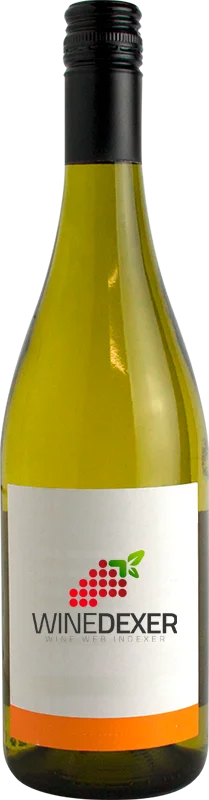
Winery SoldoBianco Costaiola Semi Sweet
 White wine
In the mouth this white wine is a powerful.
This wine generally goes well with lean fish, shellfish or mature and hard cheese.
Taste structure of the Bianco Costaiola Semi Sweet from the Winery Soldo
Light | Bold | |
Dry | Sweet | |
Soft | Acidic |
In the mouth the Bianco Costaiola Semi Sweet of Winery Soldo in the region of Vino da Tavola is a powerful.
Food and wine pairings with Bianco Costaiola Semi Sweet
Pairings that work perfectly with Bianco Costaiola Semi Sweet



Original food and wine pairings with Bianco Costaiola Semi Sweet


The Bianco Costaiola Semi Sweet of Winery Soldo matches generally quite well with dishes of pasta, shellfish or mature and hard cheese such as recipes of pasta cake, mouclade or cheese fondue.
Details and technical informations about Winery Soldo's Bianco Costaiola Semi Sweet.
Discover the grape variety: Muscat reine des vignes
Obtained in Hungary in 1916 by Jean (Janos) Mathiasz by crossing the Beirut date tree with the Csaba pearl. This variety is nowadays very little multiplied, but it is registered in the Official Catalogue of table grape varieties list A1.
Informations about the Winery Soldo
The Winery Soldo is one of of the world's great estates. It offers 22 wines for sale in the of Vino da Tavola to come and discover on site or to buy online.

The wine region of Vino da Tavola
Vino da Tavola was the most basic classification of Italian wines. It is now renamed simply "Vino" and appears on labels as Vino d'Italia. The original name literally means "table wine" as opposed to premium wines from specific geographical locations (see EU wine label). In May 2011, the first legal steps were taken to abolish the Vino da Tavola category, in favor of a New classification of wines called simply Vino.
The word of the wine: INAO glass
Glass adapted to wine tasting, created in the 1970s by the Institut national des appellations d'origine. At the time, it had the advantage of offering a standardised tool to all tasters. It is characterized by a wide base that allows for good ventilation and a narrow mouth (opening of the glass) to concentrate the aromas. Many high-performance glasses have been created based on this model.