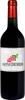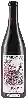
Winery SkipskopPetit Verdot
 Red wine


This wine generally goes well with beef and mature and hard cheese.
Food and wine pairings with Petit Verdot
Pairings that work perfectly with Petit Verdot


Original food and wine pairings with Petit Verdot
The Petit Verdot of Winery Skipskop matches generally quite well with dishes of beef or mature and hard cheese such as recipes of boles de picolat (catalan meatballs) or gratin comtois.
Details and technical informations about Winery Skipskop's Petit Verdot.
Discover the grape variety: Petit Verdot
Petit Verdot noir is a grape variety that originated in France (southwest). It produces a variety of grape specially used for wine making. It is rare to find this grape to eat on our tables. This variety of grape is characterized by small bunches and small grapes. Petit Verdot noir can be found in several vineyards: South-West, Languedoc & Roussillon, Cognac, Bordeaux, Rhone valley, Provence & Corsica, Loire valley, Savoie & Bugey, Beaujolais, Armagnac.
Last vintages of this wine
The best vintages of Petit Verdot from Winery Skipskop are 0, 2016
Informations about the Winery Skipskop
The Winery Skipskop is one of of the world's greatest estates. It offers 10 wines for sale in the of Western Cape to come and discover on site or to buy online.

The wine region of Western Cape
The Western Cape is home to the vast majority of the South African wine industry, and the country's two most famous wine regions, Stellenbosch and Paarl. The city of Cape Town serves as the epicenter of the Cape Winelands, a mountainous, biologically diverse area in the south-western corner of the African continent. A wide variety of wines are produced here. Wines from the Shiraz and Pinotage">Pinotage grape varieties can be fresh and juicy or Full-bodied and gutsy.
The word of the wine: Local wine
Table wine, but with the origin indicated. It corresponds to a particular legislation: the freedom to use grape varieties is greater than for the AOC, but the quality criteria such as the approval tastings can sometimes be more demanding. The legislation is still evolving, but for the moment there are three levels: regional (e.g. Vin de Pays d'Oc), departmental and local (e.g. Côtes de Thongue).