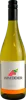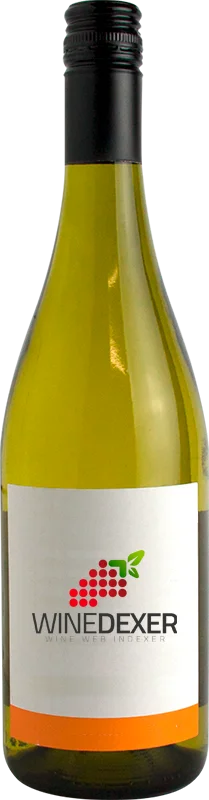
Winery SettesoliSicilia Fontalta Bianco
 White wine


In the mouth this white wine is a powerful.
This wine generally goes well with vegetarian, appetizers and snacks or shellfish.

Taste structure of the Sicilia Fontalta Bianco from the Winery Settesoli
Light | Bold | |
Dry | Sweet | |
Soft | Acidic |
In the mouth the Sicilia Fontalta Bianco of Winery Settesoli in the region of Sicily is a powerful.
Food and wine pairings with Sicilia Fontalta Bianco
Pairings that work perfectly with Sicilia Fontalta Bianco



Original food and wine pairings with Sicilia Fontalta Bianco
The Sicilia Fontalta Bianco of Winery Settesoli matches generally quite well with dishes of shellfish, vegetarian or appetizers and snacks such as recipes of pike dumplings with shrimp sauce, salmon and goat cheese quiche or tuna and tomato mini quiches without batter.
Details and technical informations about Winery Settesoli's Sicilia Fontalta Bianco.
Discover the grape variety: Divico
Structured, colourful reds with a dark ruby colour, firm tannins and a dense palate showing black fruits (blackberry, cassis), spices and balsamic notes. A tannic profile suited to organic vineyards. Grown in Switzerland, France and Germany for sustainable and organic viticulture, this hybrid represents the future of eco-friendly wine-growing. Bred at Agroscope Pully in 1996, resistant to downy mildew, powdery mildew and botrytis.
Last vintages of this wine
The best vintages of Sicilia Fontalta Bianco from Winery Settesoli are 2018, 2020, 2019, 2017 and 2015.
Informations about the Winery Settesoli
The Winery Settesoli is one of of the world's great estates. It offers 89 wines for sale in the of Sicily to come and discover on site or to buy online.

The wine region of Sicily
Major qualitative renewal. Sunny, expressive reds: fleshy, spicy Nero d'Avola (black cherry, blackberry, liquorice), fine, mineral Nerello Mascalese on Etna (recalls Pinot Noir), light, crisp Frappato in Cerasuolo di Vittoria DOCG. Lively, saline whites: Catarratto, fat, iodised Grillo, taut Carricante, floral Inzolia. Amber, walnutty fortified Marsala.
The word of the wine: Malolactic fermentation
Called second fermentation or malo for short. It is the degradation (under the effect of bacteria) of the malic acid naturally present in the wine into milder, less aggressive lactic acid. Some producers or wineries refuse this operation by "blocking the malo" (by cold and adding SO2) to keep a maximum of acidity which carries the aromas and accentuates the sensation of freshness.