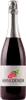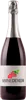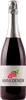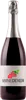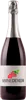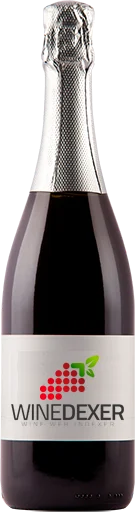
Winery Cantina Settecani7 Sette Note Spumante Brut
 Sparkling wine



This wine generally goes well with
Details and technical informations about Winery Cantina Settecani's 7 Sette Note Spumante Brut.
Discover the grape variety: Bourboulenc
Bourboulenc is mainly grown in the southern part of France. It is a white grape variety that ripens quite late. It can only be harvested around 25 September and for an average of only one month. Bourboulenc is particularly fond of low-lying, but at the same time warm and dry locations. The aroma of this grape variety is not very pronounced, but it has a certain exotic fruit and floral aroma such as broom. The result is a low alcohol wine with subtle and fleeting aromas. Blanquette, bourboulanc, bourboulenque, doucillon, clairette dorée and clairette blanche are all names that can designate bourboulenc. This grape variety is very sensitive to diseases common to all vine plants such as magnesium deficiency, mildew and oidium. Bourboulenc can be used as a table grape. Most French people keep the bunches until Christmas in order to present them on the festive table as desserts.
Last vintages of this wine
The best vintages of 7 Sette Note Spumante Brut from Winery Cantina Settecani are 0
Informations about the Winery Cantina Settecani
The Winery Cantina Settecani is one of of the world's greatest estates. It offers 28 wines for sale in the of Modena to come and discover on site or to buy online.

The wine region of Modena
The wine region of Modena is located in the region of Émilie-Romagne of Italy. Wineries and vineyards like the Domaine Chiarli 1860 or the Domaine Cantina di Sorbara produce mainly wines sparkling, red and sweet. The most planted grape varieties in the region of Modena are Chardonnay, Sangiovese and Ancellotta, they are then used in wines in blends or as a single variety. On the nose of Modena often reveals types of flavors of cherry, spices or vegetal and sometimes also flavors of tropical fruit, floral or non oak.
The wine region of Emilia-Romagna
Romagna/emilia">Emilia-Romagna is a Rich and fertile region in Northern Italy, and one of the country's most prolific wine-producing regions, with over 58,000 hectares (143,320 acres) of vines in 2010. It is 240 kilometers (150 miles) wide and stretches across almost the entire northern Italian peninsula, sandwiched between Tuscany to the South, Lombardy and Veneto to the north and the Adriatic Sea to the east. Nine miles of Liguria is all that separates Emilia-Romagna from the Ligurian Sea, and its uniqueness as the only Italian region with both an east and west coast. Emilia-Romagna's wine-growing heritage dates back to the seventh century BC, making it one of the oldest wine-growing regions in Italy.
The word of the wine: Reassembly
During the vinification process, a "cap" is formed at the top of the vats with the solid parts (skin, pulp, pips, etc.), which contain tannins and colouring elements. Pumping over consists of emptying the vat from the bottom and pouring the juice back to the top, in order to mix the cap and the juice and to favour the exchange and the extraction. This old technique allows a better exchange between the solid parts and the liquid.