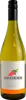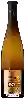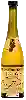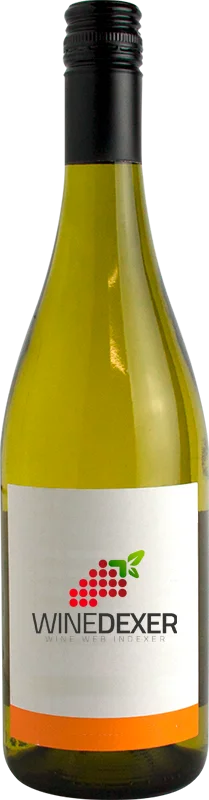
Winery SesterSylvaner
 White wine
This wine generally goes well with

Details and technical informations about Winery Sester's Sylvaner.
Discover the grape variety: Sylvaner
Lively, understated whites with a tender palate and fresh acidity, with delicate aromas of citrus, white flowers, green apple, hay and typical mineral notes. Light and refreshing finish. Made as easy dry whites and more structured lees-aged cuvées. Star of Alsace AOC (one of the historic varieties), absolute signature of German Franconia (Silvaner on shell-limestone soils) and present in Austria and Switzerland. Central European variety of Austrian origin.
Informations about the Winery Sester
The Winery Sester is one of of the world's greatest estates. It offers 7 wines for sale in the of Alsace to come and discover on site or to buy online.

The wine region of Alsace
Capital of great French aromatic whites, most often dry and single-varietal. Straight, mineral Riesling (lemon, gunflint), opulent, exuberant Gewurztraminer (lychee, rose, spices), round, smoky Pinot Gris, floral, crisp Muscat, supple Pinot Blanc. Fine, fruity Crémants d'Alsace, exceptional sweet Vendanges Tardives and Sélection de Grains Nobles. 15,500 ha at the foot of the Vosges on varied soils, 51 Grands Crus since 1975.
The word of the wine: Performance
Quantity of grapes harvested per hectare. In AOC, the average yield is limited on the proposal of the appellation syndicate, validated by the Inao. The use of high-performance plant material (especially clones) and better control of vine diseases have increased yields. This is not without consequences on the quality of the wines (dilution) and on the state of the market (too much wine). We must not over-simplify: low yields are not synonymous with quality, and it is often in years with generous harvests that we find the greatest vintages (1982 and 1986 in Bordeaux, 1996 in Champagne, 1990 and 2005 in Burgundy...).