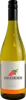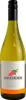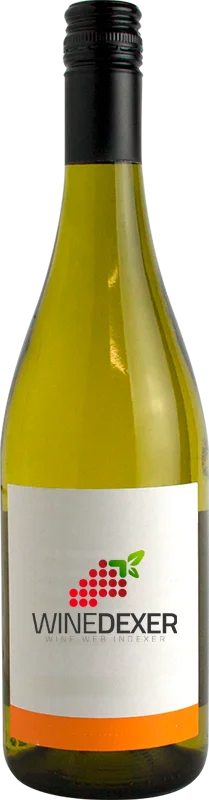
Winery Serra BravaPrivate Selection
 White wine


In the mouth this white wine is a .
This wine generally goes well with pork, lean fish or shellfish.
Taste structure of the Private Selection from the Winery Serra Brava
Light | Bold | |
Dry | Sweet | |
Soft | Acidic |
In the mouth the Private Selection of Winery Serra Brava in the region of Península de Setúbal is a .
Food and wine pairings with Private Selection
Pairings that work perfectly with Private Selection



Original food and wine pairings with Private Selection

The Private Selection of Winery Serra Brava matches generally quite well with dishes of pasta, pork or shellfish such as recipes of pasta with ham, guinea fowl with cabbage or wok of pointed cabbage with shrimps and lemongrass bo bun style.
Details and technical informations about Winery Serra Brava's Private Selection.
Discover the grape variety: Roublot
Roublot blanc is a grape variety that originated in France (Yonne). It produces a variety of grape specially used for wine making. It is rare to find this grape to eat on our tables. This variety of grape is characterized by small to medium sized bunches, and small to medium sized grapes. Roublot blanc can be found in several vineyards: South-West, Cognac, Bordeaux, Provence & Corsica, Rhone Valley, Loire Valley, Savoie & Bugey, Beaujolais.
Last vintages of this wine

The best vintages of Private Selection from Winery Serra Brava are 2017, 0, 2016
Informations about the Winery Serra Brava
The Winery Serra Brava is one of of the world's greatest estates. It offers 14 wines for sale in the of Península de Setúbal to come and discover on site or to buy online.

The wine region of Península de Setúbal
Setúbal Peninsula (also known as Península de Setúbal) is the Portuguese wine region immediately southeast of Lisbon, across the Tejo estuary. The Terroir in the area ranges from sandy coastal plains to the craggy, limestone-rich Serra Arribida hills. The area is known for its Dry red wines made from Castelão, and for its fortified wines and Sweet Moscatel de Setúbal. The wines produced here are made under three titles: two DOCs, Palmela and Setúbal, and one IGP.
The word of the wine: Disgorging (champagne)
This is the evacuation of the deposit formed by the yeasts during the second fermentation in the bottle, by opening the bottle. The missing volume is completed with the liqueur de dosage - a mixture of wine and cane sugar - before the final cork is placed. For some years now, some producers have been replacing this sugar with rectified concentrated musts (concentrated grape juice) which give excellent results. A too recent dosage (less than three months) harms the gustatory harmony of the champagne.