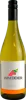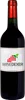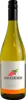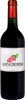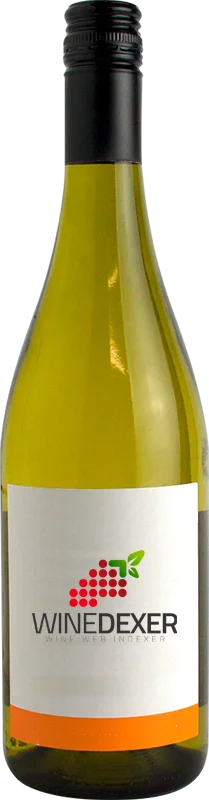
Serge Roh-Cave Les RuinettesPetite Arvine de Vétroz
 White wine


This wine generally goes well with
The Petite Arvine de Vétroz of the Serge Roh-Cave Les Ruinettes is in the top 30 of wines of Vetroz.
Wine flavors and olphactive analysis

On the nose the Petite Arvine de Vétroz of Serge Roh-Cave Les Ruinettes in the region of Valais often reveals types of flavors of earth.
Details and technical informations about Serge Roh-Cave Les Ruinettes's Petite Arvine de Vétroz.
Discover the grape variety: Couston
Couston noir is a grape variety that originated in France (Languedoc). It produces a variety of grape specially used for wine making. It is rare to find this grape to eat on our tables. This variety of grape is characterized by small bunches, and small grapes. The Couston noir can be found cultivated in these vineyards: Provence & Corsica, Rhone Valley, South West.
Last vintages of this wine
The best vintages of Petite Arvine de Vétroz from Serge Roh-Cave Les Ruinettes are 2018, 0
Informations about the Serge Roh-Cave Les Ruinettes
The Serge Roh-Cave Les Ruinettes is one of of the world's greatest estates. It offers 34 wines for sale in the of Vetroz to come and discover on site or to buy online.

The wine region of Vetroz
The wine region of Vetroz is located in the region of Valais of Switzerland. Wineries and vineyards like the Domaine Jean-René Germanier or the Domaine Jean-René Germanier produce mainly wines white, red and sweet. The most planted grape varieties in the region of Vetroz are Amigne, Chasselas and Pinot noir, they are then used in wines in blends or as a single variety. On the nose of Vetroz often reveals types of flavors of minerality, black fruit or tropical fruit and sometimes also flavors of dried fruit, floral or vegetal.
The wine region of Valais
The Valais is the largest wine region and appellation in Switzerland, responsible for around one third of the country's total wine production. The main Vineyard area covers the southeast-facing slopes of the dramatic Rhône river valley as the glacial waters run southwest between Leuk (Loeche in French) and Fully. The river changes direction at Martigny and then runs northwest to exit the valley and empty into Lac Léman (Lake Geneva). Vineyard area here comes to around 4,800 hectares (11,800 acres) and is generally located on (often steep) slopes and terraces between the flat, fertile, Heavy soils at the bottom of the valley - often given over to fruit production, industry and urban development - and the bare rock of the mountainside that towers above.
The word of the wine: Sweet
Generic term for wines containing residual sugar (natural sugars in the grapes that have not been transformed into alcohol). It is also used to describe a wine with a dominantly sweet flavour, without further explanation.