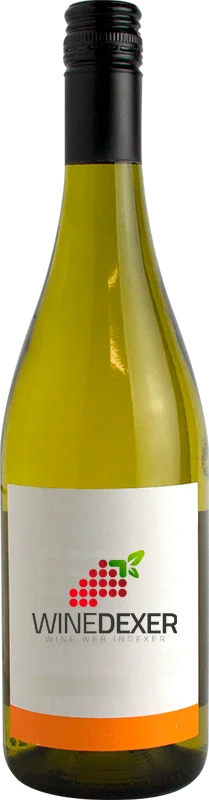
Serge Roh-Cave Les RuinettesJohannisberg
 White wine



This wine is composed of 100% of the grape variety Johannisberg.
This wine generally goes well with
The Johannisberg of the Serge Roh-Cave Les Ruinettes is in the top 60 of wines of Vetroz.
Details and technical informations about Serge Roh-Cave Les Ruinettes's Johannisberg.
Discover the grape variety: Sylvaner
The sylvaner is grown mainly in Germany and Alsace. The buds are somewhat cottony and the young leaves are green. The same applies to the ribbed branches. Once mature, the dominant colour is golden-green and small elliptical berries with small to medium-sized bunches can be seen. The ripe fruit is then adorned by five-lobed leaves. This variety is susceptible to chlorosis, gray mold, powdery mildew and mildew. It is also sensitive to frost and wind because of its long branches. It can be grown in any kind of soil, although it prefers stony, sandy and light soils. It is indeed moderately acidic and offers a complex set of aromas such as bitter almond, fruity and floral background. The taste has an excellent mixture of honey and candied or dried fruits.
Last vintages of this wine
The best vintages of Johannisberg from Serge Roh-Cave Les Ruinettes are 0
Informations about the Serge Roh-Cave Les Ruinettes
The Serge Roh-Cave Les Ruinettes is one of of the world's greatest estates. It offers 34 wines for sale in the of Vetroz to come and discover on site or to buy online.

The wine region of Vetroz
The wine region of Vetroz is located in the region of Valais of Switzerland. Wineries and vineyards like the Domaine Jean-René Germanier or the Domaine Jean-René Germanier produce mainly wines white, red and sweet. The most planted grape varieties in the region of Vetroz are Amigne, Chasselas and Pinot noir, they are then used in wines in blends or as a single variety. On the nose of Vetroz often reveals types of flavors of minerality, black fruit or tropical fruit and sometimes also flavors of dried fruit, floral or vegetal.
The wine region of Valais
The Valais is the largest wine region and appellation in Switzerland, responsible for around one third of the country's total wine production. The main Vineyard area covers the southeast-facing slopes of the dramatic Rhône river valley as the glacial waters run southwest between Leuk (Loeche in French) and Fully. The river changes direction at Martigny and then runs northwest to exit the valley and empty into Lac Léman (Lake Geneva). Vineyard area here comes to around 4,800 hectares (11,800 acres) and is generally located on (often steep) slopes and terraces between the flat, fertile, Heavy soils at the bottom of the valley - often given over to fruit production, industry and urban development - and the bare rock of the mountainside that towers above.
The word of the wine: Part
Name of the barrel used in Burgundy (capacity of 228 litres).