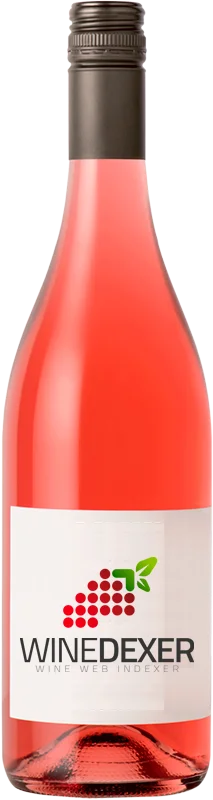
Winery SeramarisSyrah Rosato
 Pink wine


This wine generally goes well with beef, lamb or mature and hard cheese.

Wine flavors and olphactive analysis





On the nose the Syrah Rosato of Winery Seramaris in the region of Sicily often reveals types of flavors of non oak, earth or microbio and sometimes also flavors of vegetal, oak or citrus fruit.
Food and wine pairings with Syrah Rosato
Pairings that work perfectly with Syrah Rosato



Original food and wine pairings with Syrah Rosato

The Syrah Rosato of Winery Seramaris matches generally quite well with dishes of beef, lamb or spicy food such as recipes of barbecued prime rib with coarse salt, braised lamb with peppers or hake fillet with curry.
Details and technical informations about Winery Seramaris's Syrah Rosato.
Discover the grape variety: Gamay à jus blanc
Supple and fruity reds with a bright ruby colour, silky tannins and a juicy palate with preserved acidity, featuring signature aromas of red fruits (strawberry, raspberry, cherry), floral notes (peony) and banana in carbonic maceration. Drink young or age on the crus. Star of the ten Beaujolais crus (Morgon, Moulin-à-Vent, Fleurie), also grown in Touraine, Bugey and the Romand Switzerland. French black grape (synonym Gamay noir à jus blanc).
Last vintages of this wine
The best vintages of Syrah Rosato from Winery Seramaris are 2018, 0
Informations about the Winery Seramaris
The Winery Seramaris is one of of the world's greatest estates. It offers 3 wines for sale in the of Sicily to come and discover on site or to buy online.

The wine region of Sicily
Major qualitative renewal. Sunny, expressive reds: fleshy, spicy Nero d'Avola (black cherry, blackberry, liquorice), fine, mineral Nerello Mascalese on Etna (recalls Pinot Noir), light, crisp Frappato in Cerasuolo di Vittoria DOCG. Lively, saline whites: Catarratto, fat, iodised Grillo, taut Carricante, floral Inzolia. Amber, walnutty fortified Marsala.
The word of the wine: Casting
Preparatory phase of the wine-making process consisting in bursting the grapes in order to release the juice.