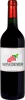
Winery Secret RavineGrenache Rosé
 Pink wine
This wine generally goes well with beef and mature and hard cheese.

Food and wine pairings with Grenache Rosé
Pairings that work perfectly with Grenache Rosé


Original food and wine pairings with Grenache Rosé
The Grenache Rosé of Winery Secret Ravine matches generally quite well with dishes of beef or mature and hard cheese such as recipes of baeckeoffe or aveyron truffle.
Details and technical informations about Winery Secret Ravine's Grenache Rosé.
Discover the grape variety: Incrocio Manzoni
Structured, aromatic dry whites with a pale golden colour, a full palate and preserved acidity, showing signature aromas of white-fleshed fruits (pear, peach), white flowers (acacia), citrus and mineral notes typical of Riesling. Good ageing potential. Grown in Veneto and Friuli, it produces distinctive Italian wines and contributes to structured whites of the north-east. Family of Italian varieties obtained by Luigi Manzoni at Conegliano (best known: 6.0.13 Riesling × Pinot Blanc).
Informations about the Winery Secret Ravine
The Winery Secret Ravine is one of of the world's great estates. It offers 18 wines for sale in the of Placer County to come and discover on site or to buy online.

The wine region of Placer County
California county in the Sierra Foothills (250–600 m, decomposed granite and dry infertile loams, Gold Rush heritage since 1850). Zinfandel is the signature red: deeply intense with ripe red fruits, spice and powerful structure. Syrah, Barbera and Tempranillo as full-bodied Mediterranean reds, structured Petite Sirah. Viognier as aromatic white.
The wine region of California
Powerful, sunny reds: dense Napa Cabernet Sauvignon (blackcurrant, chocolate, tobacco, ample tannins), spicy, jammy Zinfandel from the Sierra Foothills, silky red-fruited Pinot Noir on the cool coast (Sonoma, Russian River, Central Coast). Opulent, buttery Chardonnay, notes of yellow fruit and vanilla. Varied climate, from the hot interior to the Pacific-cooled coast. 80% of US production, 139 AVAs including Napa (1st AVA, 1981).
The word of the wine: Chaptalization
The addition of sugar at the time of fermentation of the must, an ancient practice, but theorized by Jean-Antoine Chaptal at the dawn of the 19th century. The sugar is transformed into alcohol and allows the natural degree of the wine to be raised in a weak or cold year, or - more questionably - when the winegrower has a harvest that is too large to obtain good maturity.