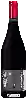
Winery Sébastien BlachonNom de Bleu
 Red wine


This wine generally goes well with beef, lamb or mature and hard cheese.
Food and wine pairings with Nom de Bleu
Pairings that work perfectly with Nom de Bleu



Original food and wine pairings with Nom de Bleu

The Nom de Bleu of Winery Sébastien Blachon matches generally quite well with dishes of beef, lamb or spicy food such as recipes of express veal stew in a pressure cooker, tajine of beef balls and merguez or curried coral lentils.
Details and technical informations about Winery Sébastien Blachon's Nom de Bleu.
Discover the grape variety: Melon blanc et rouge
Very old Burgundian grape variety. According to published genetic analyses, it is the result of a natural cross between Pinot and Gouais, which are the same parents of Gamay. Melon can be found in Germany, Croatia, Bulgaria, ... in France it is nowadays mostly multiplied in the Loire Valley, registered in the Official Catalogue of wine grape varieties, list A1.
Last vintages of this wine

The best vintages of Nom de Bleu from Winery Sébastien Blachon are 2017, 2018
Informations about the Winery Sébastien Blachon
The Winery Sébastien Blachon is one of of the world's greatest estates. It offers 9 wines for sale in the of Vin de France to come and discover on site or to buy online.

The wine region of Vin de France
Vin de France is the most basic level of quality for wines from France. These are generally uncomplicated everyday drinks - most often blends, but perhaps also Varietal wines based on a well-known Grape variety such as Cabernet Sauvignon, Merlot, Chardonnay or Sauvignon Blanc. Wines from France are those that do not meet the criteria stipulated by the Protected Designation of Origin (PDO) or Protected Geographical Indication (PGI) laws (see information on French wine labels). This may be because the vineyards are outside the delimited production areas or because the grape varieties or winemaking techniques used do not conform to the rules of the local appellations.
The word of the wine: Baco 22A
A white grape variety resulting from the hybridization of the folle blanche and the noah. It is the only hybrid to remain authorized in a French appellation vineyard, that of Armagnac, where it thrives in particular on the tawny sands of Bas-Armagnac. When distilled, its wine produces round, smooth and aromatic eaux-de-vie with hints of ripe fruit.