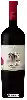
Winery SchuchmannVazisi Mukazani Dry Red
 Red wine



This wine generally goes well with

Details and technical informations about Winery Schuchmann's Vazisi Mukazani Dry Red.
Discover the grape variety: Béni carlo
Intense, full-bodied, high-alcohol reds with a deep purple colour, supple tannins and an ample palate with moderate acidity, featuring signature aromas of ripe black fruits (blackberry, plum), spices and Mediterranean notes from the Levant. Productive. Once exported to Bordeaux in the 19th century to bolster blends, today marginal, surviving in a few heritage plots of the Spanish Levant. Indigenous Spanish black variety from Valencia and Catalonia, around Benicarló.
Last vintages of this wine
The best vintages of Vazisi Mukazani Dry Red from Winery Schuchmann are 0
Informations about the Winery Schuchmann
The Winery Schuchmann is one of of the world's great estates. It offers 39 wines for sale in the of Mukuzani to come and discover on site or to buy online.

The wine region of Mukuzani
Georgian micro-AOC in Kakheti at the Caucasus foothills, clay-limestone soils. Saperavi monovarietal signature (native teinturier with red pulp, 5-6 millennia in Kakheti). Signature full-bodied deep reds with notes of black candied cherry, blackberry, plum, ink, leather, tobacco, dried herbs and a balsamic oaky touch, firm tannins and dense palate — dark robe, minimum 3-year oak ageing, long-keeping. Venerable Caucasus gastronomic wine.
The wine region of Kakheti
Cradle of amber and orange wines, vinified in qvevri (buried clay jars, UNESCO). Skin-macerated Rkatsiteli whites: signature notes of dried apricot, walnut, honey, orange peel and black tea, fine tannins and controlled oxidation. Deep, tinctorial Saperavi reds with black fruit, plum, spice and firm tannins, age-worthy. Also Mtsvane and Kisi in white, fresh and floral.
The word of the wine: Draft liquor (champagne)
After blending, the wine is bottled with a liqueur de tirage (a mixture of sugar and wine) and a yeast (selected yeasts). The yeast attacks the sugar and creates carbon dioxide. The fermentation, which lasts about two months, is prolonged by an ageing period (15 months minimum in total). The bottle is capped (some rare vintages are capped with a staple and a cork).