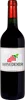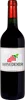
Winery SarmentLe Clos Pinot Noir
 Red wine
This wine generally goes well with poultry, beef or veal.

Food and wine pairings with Le Clos Pinot Noir
Pairings that work perfectly with Le Clos Pinot Noir



Original food and wine pairings with Le Clos Pinot Noir

The Le Clos Pinot Noir of Winery Sarment matches generally quite well with dishes of beef, veal or game (deer, venison) such as recipes of spaghetti squash bolognese style, veal roast, country style or roast pheasant.
Details and technical informations about Winery Sarment's Le Clos Pinot Noir.
Discover the grape variety: Pinot noir
Elegant reds, light in colour with silky tannins, showing strawberry, cherry and raspberry aromas, evolving to forest floor, mushroom and spice with age. Fresh acidity, delicate finish. Star of the Côte d'Or (Romanée-Conti, Chambertin, Volnay), pillar of Champagne (Blanc de Noirs) and signature of Oregon, Central Otago and Sonoma Coast. An early-ripening Burgundian variety, one of the world's greatest.
Informations about the Winery Sarment
The Winery Sarment is one of of the world's greatest estates. It offers 6 wines for sale in the of Burgundy to come and discover on site or to buy online.

The wine region of Burgundy
Absolute reference for great terroir wines: opulent, mineral Chardonnay in whites (chiselled Chablis, buttery Meursault, majestic Montrachet), fine and silky Pinot Noir in reds (full-bodied Gevrey, structured Pommard, delicate Volnay). Exceptional age-worthy wines with complex notes - red fruits, undergrowth, butter, hazelnut. Some lively Aligoté and light Gamay (Mâconnais). 29,500 ha, 84 tiered AOCs (Régionale, Village, 1er Cru, Grand Cru), 1,247 UNESCO Climats.
The word of the wine: Vintage (champagne)
It is a champagne made from a single harvest. In principle, we only vintage the great years: 1988, 1990, 1995, 1996... We find more often, now, the very good 2002, and the 2004, a little short.