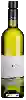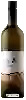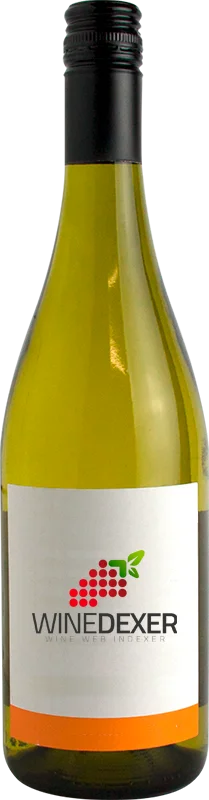
Winery Santer - SanterhofMuskaris
 White wine


In the mouth this white wine is a powerful.
This wine generally goes well with lean fish, shellfish or mature and hard cheese.
Taste structure of the Muskaris from the Winery Santer - Santerhof
Light | Bold | |
Dry | Sweet | |
Soft | Acidic |
In the mouth the Muskaris of Winery Santer - Santerhof in the region of Trentino-Alto-Adige is a powerful.
Food and wine pairings with Muskaris
Pairings that work perfectly with Muskaris



Original food and wine pairings with Muskaris


The Muskaris of Winery Santer - Santerhof matches generally quite well with dishes of pasta, shellfish or mature and hard cheese such as recipes of soy and shrimp noodles, fish paella or tuna-kiri crisps.
Details and technical informations about Winery Santer - Santerhof's Muskaris.
Discover the grape variety: Chenin blanc
It most certainly originates from the Anjou region and is registered in the official catalogue of wine grape varieties on the A1 list. It can also be found in South Africa, Australia, Argentina, Chile, the United States (California), New Zealand, etc. It is said to be a descendant of Savagnin and to have sauvignonasse as its second parent (Jean-Michel Boursiquot 2019). On the other hand, Chenin blanc is the half-brother of verdelho and sauvignon blanc and is the father of colombard.
Last vintages of this wine
The best vintages of Muskaris from Winery Santer - Santerhof are 0
Informations about the Winery Santer - Santerhof
The Winery Santer - Santerhof is one of of the world's greatest estates. It offers 6 wines for sale in the of Trentino-Alto-Adige to come and discover on site or to buy online.

The wine region of Trentino-Alto-Adige
Trentino-Alto Adige is Italy's northernmost wine region, located right on the border with Austria. Production was once dominated by the local red varieties Lagrein and Schiava. Now white wines are becoming more important in terms of Volume. Increasingly, they are made from internationally renowned Grape varieties such as Pinot Grigio and Chardonnay.
The word of the wine: Clarity
The state of translucency of a wine. A clear wine is not cloudy (which is a defect).