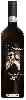
Winery Sant'AquilinaApodiano Cabernet Sauvignon
 wine
wine
This wine generally goes well with
The Apodiano Cabernet Sauvignon of the Winery Sant'Aquilina is in the top 0 of wines of Colli di Rimini.

Details and technical informations about Winery Sant'Aquilina's Apodiano Cabernet Sauvignon.
Discover the grape variety: Tannat meunier
Deeply coloured and structured reds with a dense purple colour, firm and solid tannins, a powerful palate with preserved acidity, and signature aromas of black fruits (blackberry, blackcurrant), spices and garrigue notes. Rare profile, close to classic Tannat. A rare felty-leafed (meunier) variation of Tannat, now marginal, preserved in South-West varietal collections for its heritage value and studied for its genetic interest.
Informations about the Winery Sant'Aquilina
The Winery Sant'Aquilina is one of of the world's greatest estates. It offers 13 wines for sale in the of Colli di Rimini to come and discover on site or to buy online.

The wine region of Colli di Rimini
DOC of Emilia-Romagna on the hills of Rimini between the Adriatic and the Apennines, clay-limestone soils, temperate Mediterranean climate. Sangiovese is king in reds (60–75% in Rosso, ≥85% in varietal Superiore): fruity and structured with notes of red cherry, plum, violet, herbs and a spicy touch, firm tannins — Riserva for ageing. Cabernet Sauvignon, Ancellotta, Barbera and Ciliegiolo in blends. Floral Biancame and vibrant Rebola (Pignoletto) in whites, sometimes sweet passito.
The wine region of Emilia-Romagna
Kingdom of Lambrusco: fresh, fruity sparkling reds (blackberry, cherry, violet), from gourmet dry to convivial off-dry, perfect with local charcuterie. World's best-selling sparkling wine on the Emilia side (Sorbara, Grasparossa, Salamino). East, Romagna: supple fruity Sangiovese, Albana (Italy's 1st white DOCG, 1987) ample and almondy. Also red Gutturnio and white Pignoletto.
The word of the wine: Drawing (liqueur de)
In champagne and sparkling wines of traditional method, addition to the wine, at the time of bottling (tirage) of sugars and yeasts dissolved in wine. These components will provoke the second fermentation in the bottle leading to the formation of carbon dioxide bubbles.