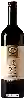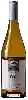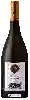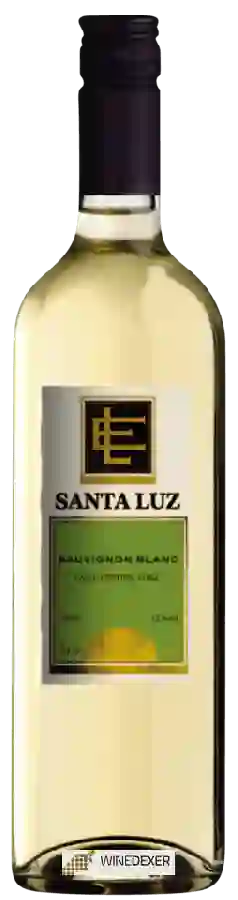
Winery Santa LuzSauvignon Blanc
 White wine


In the mouth this white wine is a with a nice freshness.
This wine generally goes well with vegetarian, shellfish or goat cheese.

Taste structure of the Sauvignon Blanc from the Winery Santa Luz
Light | Bold | |
Dry | Sweet | |
Soft | Acidic |
In the mouth the Sauvignon Blanc of Winery Santa Luz in the region of Central Valley is a with a nice freshness.
Wine flavors and olphactive analysis


On the nose the Sauvignon Blanc of Winery Santa Luz in the region of Central Valley often reveals types of flavors of citrus fruit.
Food and wine pairings with Sauvignon Blanc
Pairings that work perfectly with Sauvignon Blanc


Original food and wine pairings with Sauvignon Blanc
The Sauvignon Blanc of Winery Santa Luz matches generally quite well with dishes of shellfish, vegetarian or goat cheese such as recipes of garlic shrimp, goat cheese and bacon quiche or lasagna with courgettes and fresh goat cheese.
Details and technical informations about Winery Santa Luz's Sauvignon Blanc.
Discover the grape variety: Cayuga
Aromatic whites in dry and off-dry styles, with a pale golden hue, lively acidity and fruity aromas of apple, pear, muscat notes and floral hints. Cold and disease resistant. Grown in the north-eastern United States (New York, Finger Lakes), it adapts to continental wine climates and is used for dry and off-dry whites. American hybrid white grape obtained in 1972 by Cornell University, a cross of Seyval blanc × Schuyler.
Last vintages of this wine

The best vintages of Sauvignon Blanc from Winery Santa Luz are 2018, 0, 2019, 2016 and 2015.
Informations about the Winery Santa Luz
The Winery Santa Luz is one of of the world's greatest estates. It offers 45 wines for sale in the of Central Valley to come and discover on site or to buy online.

The wine region of Central Valley
Heart of modern Chilean wine: structured, sunny reds, dense, blackcurranty Cabernet Sauvignon from Maipo (Chilean cradle of the grape), signature Carménère with notes of ripe pepper, black fruit and sweet spices from Colchagua, supple Merlot and deep Syrah. Round Chardonnay whites and lively, sharp Sauvignon. Mediterranean climate, 400 km between Andes and Pacific. Star sub-regions: Maipo, Cachapoal, Colchagua, Curicó, Maule.
The word of the wine: Vinification
Method and set of techniques for making wine.