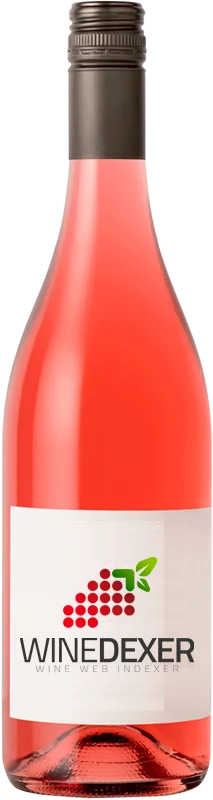
Winery Santa LoretoRosé Syrah
 Pink wine


This wine generally goes well with beef, lamb or mature and hard cheese.
Food and wine pairings with Rosé Syrah
Pairings that work perfectly with Rosé Syrah



Original food and wine pairings with Rosé Syrah

The Rosé Syrah of Winery Santa Loreto matches generally quite well with dishes of beef, lamb or spicy food such as recipes of chinese fondue, imene's tunisian ojja or chicken tajine with prunes.
Details and technical informations about Winery Santa Loreto's Rosé Syrah.
Discover the grape variety: Auxerrois
Auxerrois is a white grape variety native to Lorraine, which is also found in Alsace and in the Loire Valley, where it took off in 1950. Its name comes from the nurseries in Auxerre where it found refuge during the Second World War. Often called Pinot Auxerrois, it is part of the Moselle, Alsace and Côtes-de-Toul AOC grape varieties. Auxerrois should not be confused with côt or malbec, which are red grape varieties from the Cahors region and which may bear the same name. The bunches of Auxerrois are of medium size with small berries. It is a semi-late grape variety whose buds only come out when temperatures are well above 10°C. Auxerrois wines are characterized by finesse and acidity and subtle aromas of exotic fruits, fruits and white flowers. In France, it represents 1,600 hectares of production and some small parcels of Auxerrois are also present in Luxembourg, Germany, Canada and South Africa (2,300 hectares in total).
Last vintages of this wine

The best vintages of Rosé Syrah from Winery Santa Loreto are 2017, 0
Informations about the Winery Santa Loreto
The Winery Santa Loreto is one of of the world's great estates. It offers 16 wines for sale in the of Maule Valley to come and discover on site or to buy online.

The wine region of Maule Valley
Maule Valley is the largest wine-producing region in Chile other than the Central Valley, of which it is a Part. It has 75,000 acres (30,000ha) under Vine, and has traditionally been associated with quantity rather than quality. But this is rapidly changing – the bulk-producing Pais vine is gradually being replaced with more international varieties such as Cabernet Sauvignon and Carmenère, and careful winemaking practices are being employed to make some world-class red wines from old-vine Carignan. The Central Valley itself runs between the Andes and the Coastal Mountains from the Chilean capital of Santiago in the North to the up-and-coming region of Bío Bío in the South.
The wine region of Central Valley
The Central Valley (El Valle Central) of Chile is one of the most important wine-producing areas in South America in terms of Volume. It is also one of the largest wine regions, stretching from the Maipo Valley (just south of Santiago) to the southern end of the Maule Valley. This is a distance of almost 250 miles (400km) and covers a number of Climate types. The Central Valley wine region is easily (and often) confused with the geological Central Valley, which runs north–south for more than 620 miles (1000km) between the Pacific Coastal Ranges and the lower Andes.
The word of the wine: ODG
Organisation for the defence and management of wine, set up following the reform of the "syndicats de crus". The ODG is the collective organisation responsible for the defence and management of a product under an official sign of identification and quality and between wine appellations.