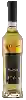
Winery Santa AliciaLate Harvest Muscatel
 Sweet wine



This wine generally goes well with

Wine flavors and olphactive analysis



On the nose the Late Harvest Muscatel of Winery Santa Alicia in the region of Coquimbo often reveals types of flavors of earth, microbio or oak and sometimes also flavors of citrus fruit, dried fruit or tropical fruit.
Details and technical informations about Winery Santa Alicia's Late Harvest Muscatel.
Discover the grape variety: Tannat
Powerful, tannic reds with inky colour and dense texture, with aromas of blackberry, blackcurrant, black plum, leather, liquorice and smoky notes. Very high ageing potential and polyphenol content (health reputation). Star of Madiran AOC in Béarn and the national grape of Uruguay (Canelones, Maldonado). Also grown in Irouléguy and Tursan. Late-ripening red variety from south-west France.
Last vintages of this wine
The best vintages of Late Harvest Muscatel from Winery Santa Alicia are 2018, 2015, 2013, 2012 and 2011.
Informations about the Winery Santa Alicia
The Winery Santa Alicia is one of of the world's greatest estates. It offers 41 wines for sale in the of Limarí Valley to come and discover on site or to buy online.

The wine region of Limarí Valley
Wine valley in northern Chile 20 km from the Pacific, bordering the Atacama. Limestone soils rare in Chile and coastal "Camanchaca" fog bring minerality and tension. Signature Chardonnay in white: fine and mineral with hallmark notes of lemon, white apple, white flowers, soft vanilla and a chalky saline touch, taut long palate — barrel-aged. Brilliant Syrah: spicy and saline near the coast (pepper, black olive), fruity inland.
The wine region of Coquimbo
Chile's northernmost wine region (600 km north of Santiago), covering the Elqui, Limarí and Choapa valleys under a semi-desert climate cooled by the Pacific Camanchaca fog and the Andes. Syrah is the flagship red — intense blackcurrant, blackberry, black pepper, olive and a mineral-saline altitude edge, fine tannins and elegant freshness. Structured Cabernet Sauvignon. Taut Chardonnay and Sauvignon Blanc with citrus notes.
The word of the wine: Phenolic ripeness
A distinction is made between the ripeness of sugars and acids and the ripeness of tannins and other compounds such as anthocyanins and tannins, which will bring structure and colour. Grapes can be measured at 13° potential without having reached this phenolic maturity. Vinified at this stage, they will give hard, astringent wines, without charm.