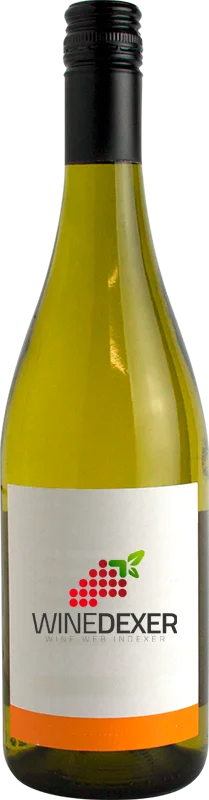
Winery SandaraVelata Premium Sangria
 Sweet wine


This wine generally goes well with

Details and technical informations about Winery Sandara's Velata Premium Sangria.
Discover the grape variety: Superior seedless
Seedless (pipless) table grape with long clusters and elongated golden berries with thin skin and crunchy flesh, sweet and fresh flavour. Early ripening and productive, good shelf life. Grown in California, Spain, Italy and the Maghreb for export markets, prized for its attractive appearance on display and its commercial aptitude. American white seedless table grape variety obtained by crossing for fresh consumption.
Last vintages of this wine
The best vintages of Velata Premium Sangria from Winery Sandara are 2019, 0
Informations about the Winery Sandara
The Winery Sandara is one of of the world's great estates. It offers 12 wines for sale in the of Vinos de Pago to come and discover on site or to buy online.

The wine region of Vinos de Pago
Top of the Spanish quality pyramid (above DOCa and DO), reserved for 25 exceptional estates. Estate wines, grapes and vinification exclusively on site, 10 years of track record. All styles: concentrated, barrel-aged Cabernet, Syrah and Tempranillo reds (Dominio de Valdepusa, Arínzano, Pago de Otazu), maker's blends, a few ambitious whites. Great stylistic freedom.
The word of the wine: SGN
Selection of noble grains. Appellation reserved for a type of sweet wine produced in Alsace.