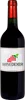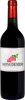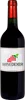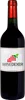
Winery San TerenzioRoccamonfina Rose
 wine
wine
This wine generally goes well with
The Roccamonfina Rose of the Winery San Terenzio is in the top 0 of wines of Pompeiano.

Details and technical informations about Winery San Terenzio's Roccamonfina Rose.
Discover the grape variety: Isabelle
Simple whites and reds with the characteristic foxy taste of Vitis labrusca (wild strawberry, wild raspberry), a supple palate with moderate acidity, and a rustic profile marked by labruscoid notes. In France, one of the six prohibited hybrids since 1935 (along with Clinton, Herbemont, Jacquez, Noah, Othello). Still found in heritage trellises and in some countries (Brazil, Georgia). American hybrid derived from Vitis labrusca, imported to Europe in the 19th century.
Informations about the Winery San Terenzio
The Winery San Terenzio is one of of the world's greatest estates. It offers 5 wines for sale in the of Pompeiano to come and discover on site or to buy online.

The wine region of Pompeiano
Campanian IGT at the foot of Vesuvius and around Pompeii, volcanic soils (lapilli, ash, pumice) from eruptions, southeast-facing exposures, 230–500 m. Piedirosso is the signature native red (100% in Rosso): supple and fresh with red cherry, raspberry, Mediterranean herbs, pepper and a volcanic saline touch, soft tannins. Caprettone (100% in Bianco) and saline Falanghina in whites. Heritage linking to Pompeian frescoes (5th century BC).
The wine region of Campania
Cradle of southern Italy's great wines on volcanic soils. Majestic Aglianico in red: structured, deep and tannic with notes of black cherry, candied plum, leather and spices, sublimated in age-worthy Taurasi DOCG, the "Barolo of the south". Identity whites of Irpinia: opulent Fiano di Avellino (honey, hazelnut), mineral iodine Greco di Tufo, aromatic Falanghina (peach, flowers). Also supple Piedirosso.
The word of the wine: Vinification
Method and set of techniques for making wine.