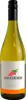
Winery San BartolomeoBianco
 White wine


In the mouth this white wine is a with a nice freshness.
This wine generally goes well with vegetarian, appetizers and snacks or lean fish.
Taste structure of the Bianco from the Winery San Bartolomeo
Light | Bold | |
Dry | Sweet | |
Soft | Acidic |
In the mouth the Bianco of Winery San Bartolomeo in the region of Tuscany is a with a nice freshness.
Food and wine pairings with Bianco
Pairings that work perfectly with Bianco



Original food and wine pairings with Bianco


The Bianco of Winery San Bartolomeo matches generally quite well with dishes of pasta, vegetarian or appetizers and snacks such as recipes of spinach, smoked salmon and ricotta lasagne, nanie's diced ham quiche or black tapenade.
Details and technical informations about Winery San Bartolomeo's Bianco.
Discover the grape variety: Cabernet-Franc
Cabernet Franc is one of the oldest red grape varieties in Bordeaux. The Libourne region is its terroir where it develops best. The terroirs of Saint-Emilion and Fronsac allow it to mature and develop its best range of aromas. It is also the majority in many blends. The very famous Château Cheval Blanc, for example, uses 60% Cabernet Franc. The wines produced with Cabernet Franc are medium in colour with fine tannins and subtle aromas of small red fruits and spices. When blended with Merlot and Cabernet Sauvignon, it brings complexity and a bouquet of aromas to the wine. It produces fruity wines that can be drunk quite quickly but whose great vintages can be kept for a long time. It is an earlier grape variety than Cabernet-Sauvignon which means that it is also well planted further north, as far as the Loire Valley. In Anjou, it is also used to make sweet rosé wines. Cabernet Franc is now used in some twenty countries in Europe and throughout the world.
Last vintages of this wine

The best vintages of Bianco from Winery San Bartolomeo are 2015, 0
Informations about the Winery San Bartolomeo
The Winery San Bartolomeo is one of of the world's great estates. It offers 13 wines for sale in the of Tuscany to come and discover on site or to buy online.

The wine region of Tuscany
Tuscany is one of the most famous and prolific wine regions in Europe. It is best known for its Dry red wines made from Sangiovese grapes, which dominate production. These include Chianti, Brunello di Montalcino and Vino Nobile di Montepulciano. The region's Vin Santo is also highly prized, as are its passito dessert wines, though these are produced in comparatively tiny quantities.
The word of the wine: Water stress
Lack of water. Water stress blocks the vegetative cycle of the vine, which uses all available resources to maintain the integrity of the plant, thus blocking the ripening process of the grapes.