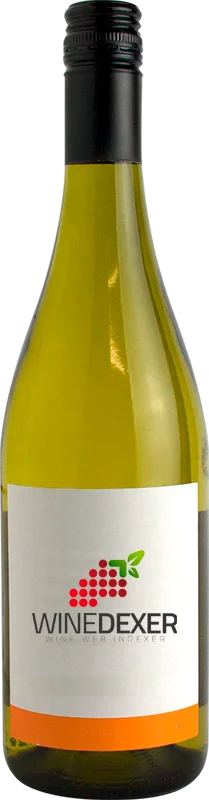
Winery SammontanaPrimo Fuoco Bianco
 White wine


In the mouth this white wine is a powerful with a nice freshness.
This wine generally goes well with vegetarian, appetizers and snacks or lean fish.
Taste structure of the Primo Fuoco Bianco from the Winery Sammontana
Light | Bold | |
Dry | Sweet | |
Soft | Acidic |
In the mouth the Primo Fuoco Bianco of Winery Sammontana in the region of Tuscany is a powerful with a nice freshness.
Wine flavors and olphactive analysis





On the nose the Primo Fuoco Bianco of Winery Sammontana in the region of Tuscany often reveals types of flavors of non oak, earth or microbio and sometimes also flavors of vegetal, oak or tree fruit.
Food and wine pairings with Primo Fuoco Bianco
Pairings that work perfectly with Primo Fuoco Bianco



Original food and wine pairings with Primo Fuoco Bianco


The Primo Fuoco Bianco of Winery Sammontana matches generally quite well with dishes of pasta, vegetarian or appetizers and snacks such as recipes of tagliatelle with seafood and saffron cream, zucchini quiche or tuna rillettes.
Details and technical informations about Winery Sammontana's Primo Fuoco Bianco.
Discover the grape variety: Aledo
This variety has been cultivated for a long time in Spain. In France, it is practically unknown, although it is registered in the Official Catalogue of vine varieties, list A2.
Last vintages of this wine
The best vintages of Primo Fuoco Bianco from Winery Sammontana are 2017, 0, 2018
Informations about the Winery Sammontana
The Winery Sammontana is one of of the world's greatest estates. It offers 12 wines for sale in the of Tuscany to come and discover on site or to buy online.

The wine region of Tuscany
Tuscany is one of the most famous and prolific wine regions in Europe. It is best known for its Dry red wines made from Sangiovese grapes, which dominate production. These include Chianti, Brunello di Montalcino and Vino Nobile di Montepulciano. The region's Vin Santo is also highly prized, as are its passito dessert wines, though these are produced in comparatively tiny quantities.
The word of the wine: Malolactic fermentation
Called second fermentation or malo for short. It is the degradation (under the effect of bacteria) of the malic acid naturally present in the wine into milder, less aggressive lactic acid. Some producers or wineries refuse this operation by "blocking the malo" (by cold and adding SO2) to keep a maximum of acidity which carries the aromas and accentuates the sensation of freshness.