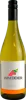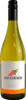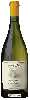
Winery SAIO AssisiGrechetto
 White wine



In the mouth this white wine is a with a nice freshness.
This wine generally goes well with vegetarian, appetizers and snacks or lean fish.

Taste structure of the Grechetto from the Winery SAIO Assisi
Light | Bold | |
Dry | Sweet | |
Soft | Acidic |
In the mouth the Grechetto of Winery SAIO Assisi in the region of Umbria is a with a nice freshness.
Food and wine pairings with Grechetto
Pairings that work perfectly with Grechetto



Original food and wine pairings with Grechetto


The Grechetto of Winery SAIO Assisi matches generally quite well with dishes of pasta, vegetarian or appetizers and snacks such as recipes of pasta carbonara a la flo without egg, nanie's diced ham quiche or fried onions.
Details and technical informations about Winery SAIO Assisi's Grechetto.
Discover the grape variety: Seinoir
Simple, light, fruity reds with a pale ruby colour, silky tannins and an airy palate with moderate acidity. Understated aromas of red fruits. Discrete rustic profile. Nearly extinct, preserved in INRAE varietal collections for its heritage value; it reflects the pre-phylloxera ampelographic diversity of the French vineyard and is among the heritage varieties under study. A rare French black grape, once grown in the centre-east.
Last vintages of this wine
The best vintages of Grechetto from Winery SAIO Assisi are 2015, 2017, 0, 2013
Informations about the Winery SAIO Assisi
The Winery SAIO Assisi is one of of the world's greatest estates. It offers 9 wines for sale in the of Umbria to come and discover on site or to buy online.

The wine region of Umbria
"Green heart" of Italy, cradle of Sagrantino: exceptional tannic red in Sagrantino di Montefalco DOCG, dense and concentrated with notes of blackberry, candied plum, liquorice, spice and leather, powerful tannins and long ageing. Suppler Sangiovese in blends, Cabernet and Merlot in Torgiano DOCG. Orvieto whites based on Grechetto and Trebbiano, full and almondy, from dry to sweet Muffato. ~13,000 ha between Tuscany and Lazio.
The word of the wine: Black Grenache
Grenache is a black grape variety that originated in Spain and is one of the great quality varieties of southern France. Sometimes vinified on its own, it is most often blended with one or more other Rhone or southern grape varieties with complementary qualities such as Syrah, Mourvèdre, Carignan or Cinsault. Its wines are warm, with aromas of red fruits (cherry) and spices; they oxidize with time. Vinified alone or in very large proportions, Grenache Noir also makes great natural sweet wines in Roussillon (Rivesaltes, Banyuls, Maury) and in the Rhône Valley (Rasteau).