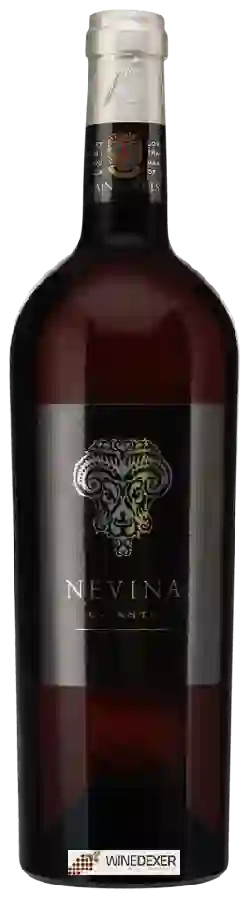
Winery Saints HillsNevina
 White wine


This wine generally goes well with pork, vegetarian or poultry.
The Nevina of the Winery Saints Hills is in the top 30 of wines of Istra.
Wine flavors and olphactive analysis






On the nose the Nevina of Winery Saints Hills in the region of Istra often reveals types of flavors of non oak, earth or microbio and sometimes also flavors of vegetal, oak or tree fruit.
Food and wine pairings with Nevina
Pairings that work perfectly with Nevina



Original food and wine pairings with Nevina

The Nevina of Winery Saints Hills matches generally quite well with dishes of pork, rich fish (salmon, tuna etc) or vegetarian such as recipes of stuffed eggplant (with vegetables or mixed), tuna lasagna or goat cheese and bacon quiche.
Details and technical informations about Winery Saints Hills's Nevina.
Discover the grape variety: Chardonnay
The white Chardonnay is a grape variety that originated in France (Burgundy). It produces a variety of grape specially used for wine making. It is rare to find this grape to eat on our tables. This variety of grape is characterized by small bunches, and small grapes. White Chardonnay can be found in many vineyards: South West, Burgundy, Jura, Languedoc & Roussillon, Cognac, Bordeaux, Beaujolais, Savoie & Bugey, Loire Valley, Champagne, Rhone Valley, Armagnac, Lorraine, Alsace, Provence & Corsica.
Last vintages of this wine

The best vintages of Nevina from Winery Saints Hills are 2015, 2017, 2016, 2013 and 2011.
Informations about the Winery Saints Hills
The Winery Saints Hills is one of of the world's greatest estates. It offers 12 wines for sale in the of Istra to come and discover on site or to buy online.

The wine region of Istra
The wine region of Istra of Croatia. Wineries and vineyards like the Domaine Meneghetti or the Domaine Medea produce mainly wines white, red and sweet. The most planted grape varieties in the region of Istra are Terrano, Merlot and Cabernet-Sauvignon, they are then used in wines in blends or as a single variety. On the nose of Istra often reveals types of flavors of pineapple, quince or hay and sometimes also flavors of grass, honeysuckle or truffle.
The word of the wine: Evolved
Said of a wine showing by its colour (tuilé in the case of reds, amber in the case of whites), its aromas or its structure that it is nearing the end of its peak and needs to be drunk quickly.