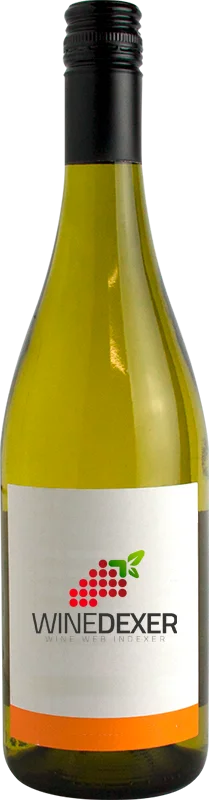
Château Saint-EspritPrestige Blanc
 White wine
This wine generally goes well with

Details and technical informations about Château Saint-Esprit's Prestige Blanc.
Discover the grape variety: Rolle
Structured, aromatic whites with an ample mouth and fresh acidity, featuring aromas of citrus (grapefruit, lemon), pear, white flesh fruits, white flowers, fennel and typical marine saline notes. Slightly bitter finish on citrus peel. The absolute signature of great Provence whites (Côtes de Provence AOC, Bellet AOC), a pillar of Corsican whites (Patrimonio AOC, Ajaccio AOC) and present in Languedoc. The French name for Italian Vermentino, native Mediterranean grape.
Informations about the Château Saint-Esprit
The Château Saint-Esprit is one of wineries to follow in Côtes de Provence.. It offers 17 wines for sale in the of Côtes de Provence to come and discover on site or to buy online.

The wine region of Côtes de Provence
World reference for pale, elegant rosé: salmon to onion-skin hue, notes of strawberry, pink grapefruit, white peach and flowers, fresh, dry, mineral palate, taut finish. 90% of output, the Provençal signature. Grenache, Cinsault, Syrah and native Tibouren in the blend. A few fleshy Mediterranean reds (Mourvèdre, Syrah) and saline Vermentino whites.
The wine region of Provence
World capital of dry, refined rosé (~90% of production). Pale rose-petal colour, delicate nose of fresh red fruits (strawberry, raspberry, redcurrant), citrus (pink grapefruit), white flowers and a mineral touch, taut and thirst-quenching palate — the Mediterranean aperitif par excellence. Blends of Grenache, Cinsault, Syrah, Tibouren and Mourvèdre. Fleshy Bandol reds from Mourvèdre (leather, garrigue, age-worthy), straight Cassis whites.
The word of the wine: Performance
Quantity of grapes harvested per hectare. In AOC, the average yield is limited on the proposal of the appellation syndicate, validated by the Inao. The use of high-performance plant material (especially clones) and better control of vine diseases have increased yields. This is not without consequences on the quality of the wines (dilution) and on the state of the market (too much wine). We must not over-simplify: low yields are not synonymous with quality, and it is often in years with generous harvests that we find the greatest vintages (1982 and 1986 in Bordeaux, 1996 in Champagne, 1990 and 2005 in Burgundy...).