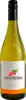
Winery S.A. TrillesPicoulet Picpoul de Pinet
 Red wine
This wine generally goes well with beef, veal or pasta.

Food and wine pairings with Picoulet Picpoul de Pinet
Pairings that work perfectly with Picoulet Picpoul de Pinet



Original food and wine pairings with Picoulet Picpoul de Pinet
The Picoulet Picpoul de Pinet of Winery S.A. Trilles matches generally quite well with dishes of beef, pasta or veal such as recipes of german recipe for marinated meat: sauerbraten, capellini with vegetables or express veal stew in a pressure cooker.
Details and technical informations about Winery S.A. Trilles's Picoulet Picpoul de Pinet.
Discover the grape variety: Concord
Fruity, often sweet reds with a dense purple robe, light tannins and preserved acidity. Intense aromas of fresh grape, strawberry, raspberry and the characteristic foxy note (musky animal typical of Vitis labrusca). Often vinified sweet or semi-sweet. Pillar of American viticulture in the 19th century, today mainly used for grape juice, Welch's jelly and American kosher wine. Vitis labrusca hybrid selected around 1840 by Ephraim Bull in Concord, Massachusetts.
Informations about the Winery S.A. Trilles
The Winery S.A. Trilles is one of of the world's great estates. It offers 115 wines for sale in the of Picpoul de Pinet to come and discover on site or to buy online.

The wine region of Picpoul de Pinet
Largest still white AOC of Languedoc (AOC 2013) on the Thau lagoon: exclusive signature Piquepoul Blanc as king white — pale robe and signature lively profile with floral and citrus aromas (lemon, grapefruit, green apple, pear), delicate acacia and hawthorn touch, signature dynamic nervy palate with bright acidity and saline finish. Late-ripening variety with golden, easily falling berries. AOC, royal pairing with Bouzigues oysters.
The wine region of Languedoc-Roussillon
Largest single French vineyard, dominated by sunny, generous reds. Spicy Syrah, candied Grenache (ripe fruit, garrigue), structured Carignan, deep Mourvèdre, supple Cinsault. Stars: structured Corbières, Minervois, Faugères, Saint-Chinian; round Côtes-du-Roussillon. Legendary vins doux naturels: Banyuls and Maury (fortified Grenache) with notes of cocoa, fig, prune.
The word of the wine: Body
Character of a wine combining a good constitution (structure and flesh) with warmth.