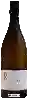
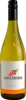
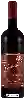
Winery RussbachSpätburgunder Trocken
 Red wine
In the mouth this red wine is a with a nice freshness.
This wine generally goes well with poultry, beef or veal.

Taste structure of the Spätburgunder Trocken from the Winery Russbach
Light | Bold | |
Smooth | Tannic | |
Dry | Sweet | |
Soft | Acidic |
In the mouth the Spätburgunder Trocken of Winery Russbach in the region of Rheinhessen is a with a nice freshness.
Food and wine pairings with Spätburgunder Trocken
Pairings that work perfectly with Spätburgunder Trocken



Original food and wine pairings with Spätburgunder Trocken

The Spätburgunder Trocken of Winery Russbach matches generally quite well with dishes of beef, veal or game (deer, venison) such as recipes of chickpeas spanish style, paupiettes in a casserole with cream or stuffed cabbage leaves.
Details and technical informations about Winery Russbach's Spätburgunder Trocken.
Discover the grape variety: Vinhão
Intensely coloured and lively reds for drinking young, with a deep, near-black purple colour, firm tannins, a nervous palate, and signature aromas of black fruits (blackberry, blackcurrant), spices and fresh inky notes. Very acidic and highly coloured, sometimes slightly pétillant. Star of the Vinho Verde tinto DOC (Basto sub-region), signature aromatic variety of the red Minho green wines. Native Portuguese black variety, identical to Sousão and Galician Sousón.
Informations about the Winery Russbach
The Winery Russbach is one of of the world's great estates. It offers 59 wines for sale in the of Rheinhessen to come and discover on site or to buy online.

The wine region of Rheinhessen
71% white region: Riesling is king (5,000 ha), dry to off-dry, ripe yellow fruit, apple, citrus and fine saline minerality. Supple, floral Müller-Thurgau for everyday, the world's largest Silvaner plantation with herbaceous, straight notes. Historic cradle of off-sweet Liebfraumilch. Some supple reds (Dornfelder, Spätburgunder).
The word of the wine: Chaptalization
The addition of sugar at the time of fermentation of the must, an ancient practice, but theorized by Jean-Antoine Chaptal at the dawn of the 19th century. The sugar is transformed into alcohol and allows the natural degree of the wine to be raised in a weak or cold year, or - more questionably - when the winegrower has a harvest that is too large to obtain good maturity.