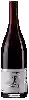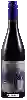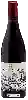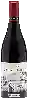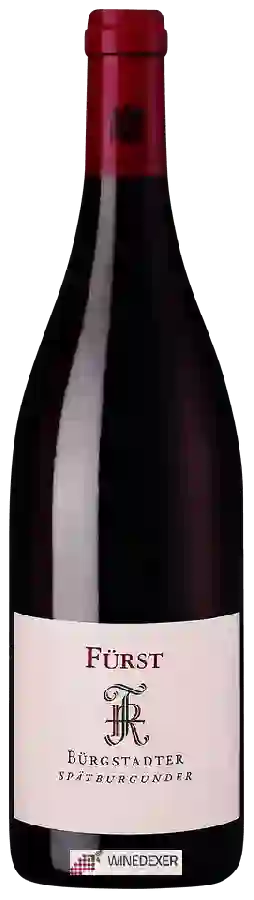
Winery Rudolf FürstBürgstadter Spätburgunder
 Red wine



In the mouth this red wine is a with a nice freshness.
This wine generally goes well with poultry, beef or veal.
The Bürgstadter Spätburgunder of the Winery Rudolf Fürst is in the top 90 of wines of Franken.

Taste structure of the Bürgstadter Spätburgunder from the Winery Rudolf Fürst
Light | Bold | |
Smooth | Tannic | |
Dry | Sweet | |
Soft | Acidic |
In the mouth the Bürgstadter Spätburgunder of Winery Rudolf Fürst in the region of Franken is a with a nice freshness.
Wine flavors and olphactive analysis






On the nose the Bürgstadter Spätburgunder of Winery Rudolf Fürst in the region of Franken often reveals types of flavors of non oak, earth or microbio and sometimes also flavors of vegetal, oak or spices.
Food and wine pairings with Bürgstadter Spätburgunder
Pairings that work perfectly with Bürgstadter Spätburgunder



Original food and wine pairings with Bürgstadter Spätburgunder

The Bürgstadter Spätburgunder of Winery Rudolf Fürst matches generally quite well with dishes of beef, veal or poultry such as recipes of beer goulash, sauté of veal with tomato or filet mignon in a quick crust.
Details and technical informations about Winery Rudolf Fürst's Bürgstadter Spätburgunder.
Discover the grape variety: Sciacarello
Elegant, spiced reds with a clear ruby hue reminiscent of pinot noir, fine tannins and fresh acidity, with intense aromas of red fruits (cherry, raspberry), black pepper, spices, Mediterranean herbs (garrigue, maquis), violet and bitter notes on the finish. Also the star of airy Corsican rosés. Absolute star of Ajaccio AOC and pillar of Sartène. Native Corsican variety, the identity signature of Ajaccio.
Last vintages of this wine
The best vintages of Bürgstadter Spätburgunder from Winery Rudolf Fürst are 2021, 2020, 2019, 2017 and 2015.
Informations about the Winery Rudolf Fürst
The Winery Rudolf Fürst is one of of the world's great estates. It offers 45 wines for sale in the of Franken to come and discover on site or to buy online.

The wine region of Franken
Homeland of German Silvaner: dry, straight, mineral and lively whites with notes of green apple, citrus, fresh herbs and a saline touch, planted here for over 350 years (1,500 ha, a quarter of the vineyard). Also supple, floral Müller-Thurgau, taut Riesling, aromatic Bacchus. Some discreet reds (Spätburgunder). 6,040 ha in Bavaria along the Main around Würzburg, red sandstone and shell-limestone soils.
The word of the wine: Oenologist
Specialist in wine-making techniques. It is a profession and not a passion: one can be an oenophile without being an oenologist (and the opposite too!). Formerly attached to the Faculty of Pharmacy, oenology studies have become independent and have their own university course. Learning to make wine requires a good chemical background but also, increasingly, a good knowledge of the plant. Some oenologists work in laboratories (analysis). Others, the consulting oenologists, work directly in the properties.