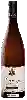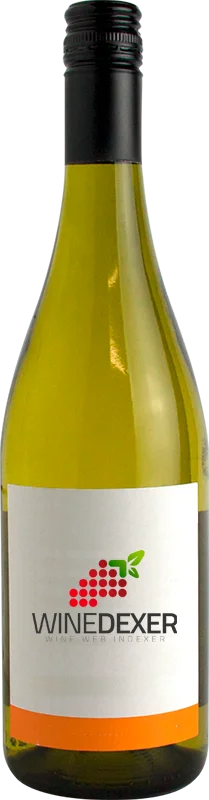
Winery Réthoré DavyPertinence Viognier
 White wine
This wine generally goes well with pork, poultry or game (deer, venison).

Food and wine pairings with Pertinence Viognier
Pairings that work perfectly with Pertinence Viognier



Original food and wine pairings with Pertinence Viognier



The Pertinence Viognier of Winery Réthoré Davy matches generally quite well with dishes of pork, game (deer, venison) or shellfish such as recipes of turkey stuffed with chestnuts, rabbit with mustard in foil or mussels with cream.
Details and technical informations about Winery Réthoré Davy's Pertinence Viognier.
Discover the grape variety: Viognier
Opulent, heady whites, rich and silky, with intense aromas of apricot, yellow peach, mango, violet, honeysuckle and musky, honeyed notes. Discreet acidity, creamy finish. Star of Condrieu AOC and Château-Grillet AOC, co-vinified in Côte-Rôtie with Syrah (up to 20%). Widely exported to California (Central Coast), Australia (Eden Valley) and Languedoc. A Rhône variety.
Informations about the Winery Réthoré Davy
The Winery Réthoré Davy is one of of the world's great estates. It offers 28 wines for sale in the of Loire Valley to come and discover on site or to buy online.

The wine region of Loire Valley
Kingdom of lively, dry whites and fine sparklers. Mineral, taut Sauvignon Blanc (Sancerre, Pouilly-Fumé) with citrus and gunflint notes. Multiform Chenin Blanc (Vouvray, Savennières, Layon): straight dry, floral off-dry or noble sweet honey-quince. Saline, iodised Muscadet (Melon B.
The word of the wine: Heida
See savagnin.