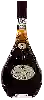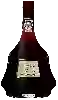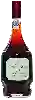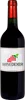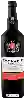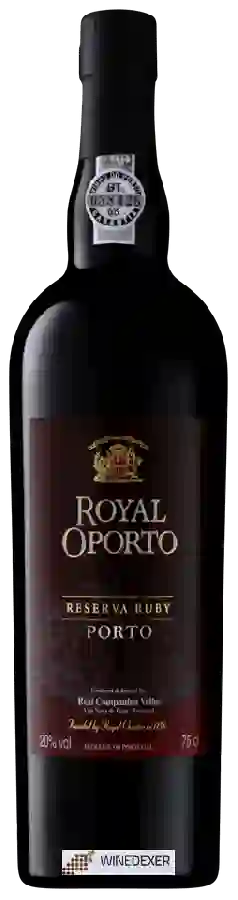
Winery Royal OportoReserva Ruby Porto
 Natural sweet wine



This wine generally goes well with

Details and technical informations about Winery Royal Oporto's Reserva Ruby Porto.
Discover the grape variety: Hölder
Aromatic, lively whites to drink young, with a pale golden colour, an airy palate with preserved acidity, and signature aromas of citrus (lemon), white flowers, green apple and mineral notes close to Riesling. Distinctive aromatic profile. Grown on a few hectares in Franconia, it remains confidential and is used for typical dry whites. A German white variety bred in 1936 in Würzburg (Riesling × Silvaner), late-ripening.
Last vintages of this wine
The best vintages of Reserva Ruby Porto from Winery Royal Oporto are 0, 2008
Informations about the Winery Royal Oporto
The Winery Royal Oporto is one of of the world's great estates. It offers 19 wines for sale in the of Porto to come and discover on site or to buy online.

The wine region of Porto
One of the world's oldest fortified wines: fortified with grape spirit during fermentation, keeping its residual sugars. Opulent style, long on the palate, notes of candied black fruits, cocoa, fig, walnut, coffee and spices. Four styles: young fruity Ruby (cherry, blackberry), Tawny aged oxidatively in cask (caramel, hazelnut, bitter orange), age-worthy LBV and Vintage, White as aperitif. Grapes: Touriga Nacional, Touriga Franca, Tinta Roriz.
The wine region of Duriense
Portuguese IGP covering the Douro and Porto area (northeast), schist soils on vertiginous terraced slopes, dry continental climate, flexible status outside DOC. Touriga Nacional signature as red king (300+ authorised varieties): intense and floral with blackberry, black cherry, violet, garrigue, liquorice and mineral schist hint, firm tannins — noble Douro emblem. Supple Touriga Franca and spicy Tinta Roriz as complement. Fresh mineral whites and creative modern sparkling.
The word of the wine: Downy mildew
Disease of the vine due to a fungus. Downy mildew is formidable because it attacks all the organs, from the stem to the grapes, including the leaves, in depth. It was against it that the famous copper and lime-based Bordeaux mixture was developed.