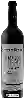
The Château de Rouffiac of Cahors of South West
The Château de Rouffiac is one of the world's great estates. It offers 8 wines for sale in of Cahors to come and discover on site or to buy online.
Looking for the best Château de Rouffiac wines in Cahors among all the wines in the region? Check out our tops of the best red, white or effervescent Château de Rouffiac wines. Also find some food and wine pairings that may be suitable with the wines from this area. Learn more about the region and the Château de Rouffiac wines with technical and enological descriptions.
How Château de Rouffiac wines pair with each other generally quite well with dishes of beef, lamb or poultry such as recipes of monkfish (anglerfish) à la sétoise, leg with a spoon or seven o'clock leg or chicken nuggets.
On the nose the red wine of Château de Rouffiac. often reveals types of flavors of oak, red fruit or oaky and sometimes also flavors of non oak, spices or earth. In the mouth the red wine of Château de Rouffiac. is a powerful with a nice balance between acidity and tannins.
Historic cradle of Malbec, the "black wine" of South-West France: signature Côt (≥70%) reigns in reds — dark-hued with black fruit (blackberry, blackcurrant, blueberry), plum, violet and a liquorice touch, cedar and cocoa on ageing, structured tannins and great cellaring aptitude. Supple Merlot softens, dense Tannat optional. AOC (1971), ~4,000 ha across three alluvial terraces of the Lot and limestone causses, Aquitaine-southern climate, ageing 8-15 years.
Planning a wine route in the of Cahors? Here are the wineries to visit and the winemakers to meet during your trip in search of wines similar to Château de Rouffiac.
Deep, velvety reds with an intense purple colour, showing aromas of blackberry, black plum, violet, cocoa and gentle spice. Round tannins, fleshy palate, peppery length. Star of Cahors AOC (Côt, Auxerrois) in France and the absolute signature of Mendoza, Argentina (Uco Valley, Luján de Cuyo). A French South-West variety that became the Argentine emblem after its post-phylloxera decline.