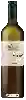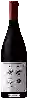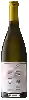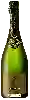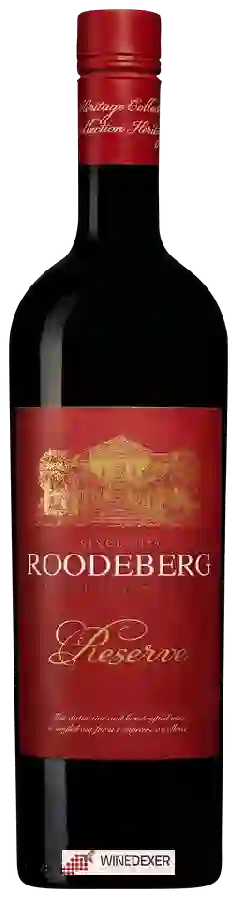
Winery RoodebergReserve
 Red wine



This wine is a blend of 3 varietals which are the Cabernet-Sauvignon, the Petit Verdot and the Tannat.
This wine generally goes well with poultry, beef or lamb.

Wine flavors and olphactive analysis




On the nose the Reserve of Winery Roodeberg in the region of Western Cape often reveals types of flavors of non oak, earth or microbio and sometimes also flavors of oak, spices or red fruit.
Food and wine pairings with Reserve
Pairings that work perfectly with Reserve



Original food and wine pairings with Reserve


The Reserve of Winery Roodeberg matches generally quite well with dishes of beef, lamb or spicy food such as recipes of roast pork with pineapple, leg of lamb with spices or vegetarian paella.
Details and technical informations about Winery Roodeberg's Reserve.
Discover the grape variety: Cabernet-Sauvignon
Structured, tannic reds, deeply coloured, with aromas of blackcurrant, blackberry, cedar, tobacco and graphite, underpinned by firm acidity and fine ageing potential. Cornerstone of the great Médoc estates (Pauillac, Saint-Estèphe, Saint-Julien) and signature of Napa Valley, Coonawarra and Maipo. The world's most planted red variety, a natural cross of Cabernet Franc x Sauvignon Blanc born in Bordeaux.
Last vintages of this wine
The best vintages of Reserve from Winery Roodeberg are 2017, 2015, 2014, 0 and 2013.
Informations about the Winery Roodeberg
The Winery Roodeberg is one of of the world's greatest estates. It offers 12 wines for sale in the of Western Cape to come and discover on site or to buy online.

The wine region of Western Cape
Cradle of South African wine. Signature Chenin Blanc (Steen, 20%) in ample, fresh whites with notes of quince, yellow apple, honey and acacia flower, from crisp dry to sweet. Sharp, iodised Sauvignon Blanc (Walker Bay, Constantia), balanced Chardonnay. Reds: emblematic Pinotage with roasted aromas (coffee, plum, smoke), firm Cabernet Sauvignon, spicy Syrah.
The word of the wine: Color
The colour of wines is characterized by its intensity and its nuances of hue. The intensity is specific to each grape variety, while the nuances of colour are linked to the evolution of the wine over time.