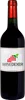
Winery Romana CarloMosaico Barbera
 Red wine


In the mouth this red wine is a powerful with a nice freshness.
This wine generally goes well with pork, poultry or veal.
Taste structure of the Mosaico Barbera from the Winery Romana Carlo
Light | Bold | |
Smooth | Tannic | |
Dry | Sweet | |
Soft | Acidic |
In the mouth the Mosaico Barbera of Winery Romana Carlo in the region of Piedmont is a powerful with a nice freshness.
Food and wine pairings with Mosaico Barbera
Pairings that work perfectly with Mosaico Barbera



Original food and wine pairings with Mosaico Barbera


The Mosaico Barbera of Winery Romana Carlo matches generally quite well with dishes of pasta, veal or pork such as recipes of bean soup and spaghetti (traditional andalusian dish), sauté of veal with chorizo or pork roll with mustard.
Details and technical informations about Winery Romana Carlo's Mosaico Barbera.
Discover the grape variety: Mondeusehe
Mondeuse blanc is a grape variety that originated in France (Savoie). It produces a variety of grape specially used for wine making. It is rare to find this grape to eat on our tables. This variety of grape is characterized by bunches of medium size, and grapes of medium size. Mondeuse blanche can be found in several vineyards: South-West, Cognac, Bordeaux, Savoie & Bugey, Provence & Corsica, Rhone valley, Loire valley, Beaujolais, Languedoc & Roussillon.
Last vintages of this wine
The best vintages of Mosaico Barbera from Winery Romana Carlo are 2010, 0
Informations about the Winery Romana Carlo
The Winery Romana Carlo is one of of the world's great estates. It offers 15 wines for sale in the of Piedmont to come and discover on site or to buy online.

The wine region of Piedmont
Piedmont (Piemonte) holds an unrivalled place among the world's finest wine regions. Located in northwestern Italy, it is home to more DOCG wines than any other Italian region, including such well-known and respected names as Barolo, Barbaresco and Barbera d'Asti. Though famous for its Austere, Tannic, Floral">floral reds made from Nebbiolo, Piedmont's biggest success story in the past decade has been Moscato d'Asti, a Sweet, Sparkling white wine. Piedmont Lies, as its name suggests, at the foot of the Western Alps, which encircle its northern and western sides and form its naturally formidable border with Provence, France.
The word of the wine: Black Grenache
Grenache is a black grape variety that originated in Spain and is one of the great quality varieties of southern France. Sometimes vinified on its own, it is most often blended with one or more other Rhone or southern grape varieties with complementary qualities such as Syrah, Mourvèdre, Carignan or Cinsault. Its wines are warm, with aromas of red fruits (cherry) and spices; they oxidize with time. Vinified alone or in very large proportions, Grenache Noir also makes great natural sweet wines in Roussillon (Rivesaltes, Banyuls, Maury) and in the Rhône Valley (Rasteau).