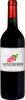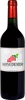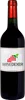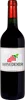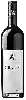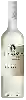
Winery Rolf WillyCabernet Mitos Trocken
 Red wine



This wine generally goes well with poultry, beef or lamb.

Food and wine pairings with Cabernet Mitos Trocken
Pairings that work perfectly with Cabernet Mitos Trocken



Original food and wine pairings with Cabernet Mitos Trocken

The Cabernet Mitos Trocken of Winery Rolf Willy matches generally quite well with dishes of beef, lamb or spicy food such as recipes of braised beef with carrots, lamb with masalé sauce and rice or crab matoutou.
Details and technical informations about Winery Rolf Willy's Cabernet Mitos Trocken.
Discover the grape variety: Cabernet-Sauvignon
Structured, tannic reds, deeply coloured, with aromas of blackcurrant, blackberry, cedar, tobacco and graphite, underpinned by firm acidity and fine ageing potential. Cornerstone of the great Médoc estates (Pauillac, Saint-Estèphe, Saint-Julien) and signature of Napa Valley, Coonawarra and Maipo. The world's most planted red variety, a natural cross of Cabernet Franc x Sauvignon Blanc born in Bordeaux.
Last vintages of this wine
The best vintages of Cabernet Mitos Trocken from Winery Rolf Willy are 0
Informations about the Winery Rolf Willy
The Winery Rolf Willy is one of of the world's great estates. It offers 80 wines for sale in the of Württemberg to come and discover on site or to buy online.

The wine region of Württemberg
Rare predominantly red region in Germany (nearly 70%). Supple, fruity everyday reds: light, crisp Trollinger (Schiava) with red fruits, more structured, spicy, deep Lemberger (Blaufränkisch), generous Schwarzriesling (Pinot Meunier). Riesling king of whites (>2,000 ha), lively and mineral, citrus and green apple. Germany's 4th region (11,500 ha) on the Neckar slopes around Heilbronn and Stuttgart.
The word of the wine: Chaptalization
The addition of sugar at the time of fermentation of the must, an ancient practice, but theorized by Jean-Antoine Chaptal at the dawn of the 19th century. The sugar is transformed into alcohol and allows the natural degree of the wine to be raised in a weak or cold year, or - more questionably - when the winegrower has a harvest that is too large to obtain good maturity.