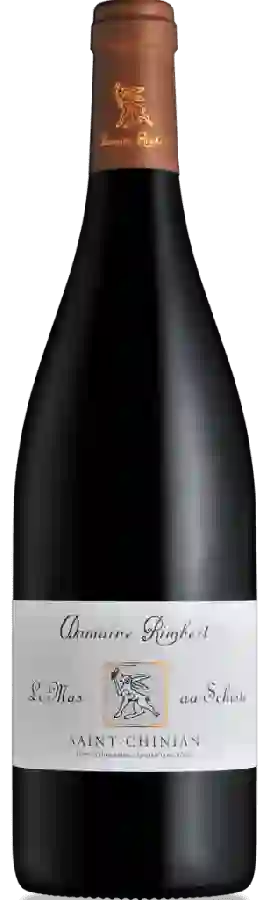
Domaine RimbertGrenache
 Red wine
This wine generally goes well with beef and mature and hard cheese.

Food and wine pairings with Grenache
Pairings that work perfectly with Grenache


Original food and wine pairings with Grenache
The Grenache of Domaine Rimbert matches generally quite well with dishes of beef or mature and hard cheese such as recipes of polish goulash or walnut and roquefort tart.
Details and technical informations about Domaine Rimbert's Grenache.
Discover the grape variety: Gaillard 157
Simple, fresh dry whites with a pale golden colour, a supple palate with moderate acidity and understated aromas of citrus and white flowers. Productive profile. Now marginal, it survives in a few French heritage plots and is one of the old hybrids preserved in varietal collections for their genetic and historical interest. French white hybrid variety obtained in the 20th century, a disease-resistant crossing.
Informations about the Domaine Rimbert
The Domaine Rimbert is one of of the world's great estates. It offers 26 wines for sale in the of Vin de Pays to come and discover on site or to buy online.

The wine region of Vin de Pays
Intermediate category between AOC and Vin de France (renamed IGP in 2009), 27% of national volume. Accessible, expressive wines defined by their grape: opulent Chardonnay, lively Sauvignon, round Merlot, peppery Syrah, floral Viognier with apricot. 76 IGP in France at 3 scales: regional (Pays d'Oc, Méditerranée, Val de Loire), departmental or local. Flexible rules, wide range of permitted grapes, free grape and vintage labelling.
The wine region of Pays d'Oc
The single-grape IGP par excellence: modern, accessible, frank and fruity wines, the popular signature of the Midi. Spicy Syrah reds (pepper, blackberry), round Merlot, structured Cabernet, generous Grenache, supple Cinsault. Crisp, tangy rosés. Opulent Chardonnay whites, lively Sauvignon, floral, apricoty Viognier.
The word of the wine: Maceration
Prolonged contact and exchange between the juice and the grape solids, especially the skin. Not to be confused with the time of fermentation, which follows maceration. The juice becomes loaded with colouring matter and tannins, and acquires aromas. For a rosé, the maceration is short so that the colour does not "rise" too much. For white wines too, a "pellicular maceration" can be practised, which allows the wine to acquire more fat.