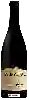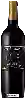
Winery Riche MarchandGrande Réserve Bin 55 G.S.M
 Red wine


In the mouth this red wine is a powerful with a nice balance between acidity and tannins.
This wine generally goes well with beef, veal or pasta.
Taste structure of the Grande Réserve Bin 55 G.S.M from the Winery Riche Marchand
Light | Bold | |
Smooth | Tannic | |
Dry | Sweet | |
Soft | Acidic |
In the mouth the Grande Réserve Bin 55 G.S.M of Winery Riche Marchand in the region of Languedoc-Roussillon is a powerful with a nice balance between acidity and tannins.
Food and wine pairings with Grande Réserve Bin 55 G.S.M
Pairings that work perfectly with Grande Réserve Bin 55 G.S.M



Original food and wine pairings with Grande Réserve Bin 55 G.S.M
The Grande Réserve Bin 55 G.S.M of Winery Riche Marchand matches generally quite well with dishes of beef, pasta or veal such as recipes of thai beef skewers, salmon and spinach lasagna or milanese escalope (italy).
Details and technical informations about Winery Riche Marchand's Grande Réserve Bin 55 G.S.M.
Discover the grape variety: Alicante Bouschet
It is a crossbreed made in 1855 by Louis and Henri Bouschet from an intraspecific crossing between Grenache noir and Petit Bouschet. The Alicante Henri Bouschet is less and less multiplied, registered however in the Official Catalogue of the varieties of vine of wine grapes list A.
Last vintages of this wine

The best vintages of Grande Réserve Bin 55 G.S.M from Winery Riche Marchand are 2015, 2018
Informations about the Winery Riche Marchand
The Winery Riche Marchand is one of of the world's greatest estates. It offers 3 wines for sale in the of Languedoc-Roussillon to come and discover on site or to buy online.

The wine region of Languedoc-Roussillon
Languedoc (formerly Coteaux du Languedoc) is a key appellation used in the Languedoc-Roussillon wine region of southern France. It covers Dry table wines of all three colors (red, white and rosé) from the entire region, but leaves Sweet and Sparkling wines to other more specialized appellations. About 75% of all Languedoc wines are red, with the remaining 25% split roughly down the middle between whites and rosés. The appellation covers most of the Languedoc region and almost a third of all the vineyards in France.
The word of the wine: Traditional method
Also known as the Champagne method, this is the elaboration of sparkling wines according to the second fermentation method in the bottle.