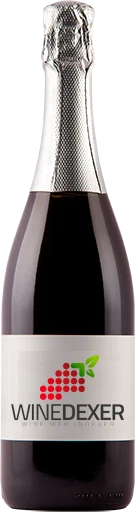
Winery RiccafanaFranciacorta Brut Rosé
 Sparkling wine


This wine generally goes well with pork, poultry or beef.

Food and wine pairings with Franciacorta Brut Rosé
Pairings that work perfectly with Franciacorta Brut Rosé



Original food and wine pairings with Franciacorta Brut Rosé


The Franciacorta Brut Rosé of Winery Riccafana matches generally quite well with dishes of beef, lamb or pork such as recipes of wild boar stew in burgundy style, lamb collar with mustard or light stuffed tomatoes.
Details and technical informations about Winery Riccafana's Franciacorta Brut Rosé.
Discover the grape variety: Ortega
Aromatic, muscat-scented whites with a golden robe, full palate and moderate acidity. Intense aromas of muscat, yellow peach, apricot, white flowers, honey, candied citrus and soft spices. Produced as dry, sweet and Beerenauslese/Trockenbeerenauslese styles by noble rot. Early ripening; it signs the aromatic whites of Germany (Franconia, Rheinhessen), the UK and Canada. German variety created in 1948 in Würzburg.
Last vintages of this wine
The best vintages of Franciacorta Brut Rosé from Winery Riccafana are 2011, 0
Informations about the Winery Riccafana
The Winery Riccafana is one of of the world's greatest estates. It offers 12 wines for sale in the of Franciacorta to come and discover on site or to buy online.

The wine region of Franciacorta
The Italian Champagne, the country's largest DOCG zone for classic-method sparklers. Fine, refined bubbles with signature notes of green apple, citrus, brioche, toasted almond and white flowers, taut and creamy finish (18 months minimum on lees, up to 60 for Riserva). Based on dominant Chardonnay, Pinot Noir for structure, Pinot Blanc for roundness. Satèn (low pressure, silky) and fruity rosé versions.
The wine region of Lombardia
Three poles. Franciacorta DOCG, Italy's answer to Champagne: elegant brioche traditional-method sparklers (Chardonnay, Pinot Noir, Pinot Blanc), fine bubble and mineral profile. Alpine Valtellina: Nebbiolo (alias Chiavennasca) with fine tannins and red fruits, powerful Sforzato passito. Oltrepò Pavese: fresh Pinot Noir and fruity-sparkling Bonarda.
The word of the wine: Aging on lees
Maturing on the lees enhances the stability, aromatic complexity and texture of white wines, which gain in body and volume. This phenomenon is induced by autolysis, the process of self-degradation of the lees.