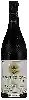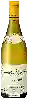
Winery ReyChâteauneuf-Du-Pape
 White wine
In the mouth this white wine is a powerful.
This wine generally goes well with pork, poultry or rich fish (salmon, tuna etc).

Taste structure of the Châteauneuf-Du-Pape from the Winery Rey
Light | Bold | |
Dry | Sweet | |
Soft | Acidic |
In the mouth the Châteauneuf-Du-Pape of Winery Rey in the region of Rhone Valley is a powerful.
Food and wine pairings with Châteauneuf-Du-Pape
Pairings that work perfectly with Châteauneuf-Du-Pape



Original food and wine pairings with Châteauneuf-Du-Pape


The Châteauneuf-Du-Pape of Winery Rey matches generally quite well with dishes of pork, rich fish (salmon, tuna etc) or mature and hard cheese such as recipes of chicken in red wine, raw salmon marinade with vinegars or melt-in-the-mouth omelette with tomatoes, asparagus and comté.
Details and technical informations about Winery Rey's Châteauneuf-Du-Pape.
Discover the grape variety: Pinot gris
Rich, ample whites with a golden robe, showing aromas of pear, quince, honey, smoke, ginger and spice. Made as structured dry wines (Alsace AOC), off-dry and sumptuous late-harvest sweet (vendange tardive, sélection de grains nobles). Lighter and crisper in Italy as Pinot Grigio (Veneto, Friuli). Also in Germany (Grauburgunder), Hungary (Szürkebarát) and Oregon. A grey mutation of Pinot Noir.
Informations about the Winery Rey
The Winery Rey is one of of the world's greatest estates. It offers 2 wines for sale in the of Rhone Valley to come and discover on site or to buy online.

The wine region of Rhone Valley
France's 2nd-largest AOC vineyard, two complementary worlds. Northern: pure Syrah in signature reds (Côte-Rôtie, Hermitage, Cornas), deep and peppery with blackberry, violet, black olive and smoked bacon notes, exceptional ageing. Opulent Viognier whites (Condrieu, apricot, flowers) and ample Marsanne-Roussanne. Southern: sun-soaked Grenache blends at Châteauneuf, Gigondas, Vacqueyras (candied fruit, garrigue).
The word of the wine: Vinification of sweet wines
Moelleux and liquoreux wines are characterized by the presence of residual sugars (natural sugar of the grape), not transformed into alcohol under the effect of yeasts. The fermentation is stopped by cold and by the addition of sulphur dioxide (sulphur).