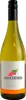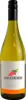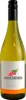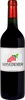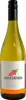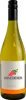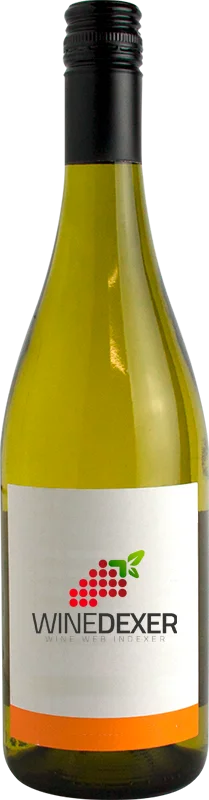
Winery Réva RakviceVeltlínské Zelené Moravské Zemské Víno
 White wine
This wine generally goes well with pork, vegetarian or lean fish.

Food and wine pairings with Veltlínské Zelené Moravské Zemské Víno
Pairings that work perfectly with Veltlínské Zelené Moravské Zemské Víno



Original food and wine pairings with Veltlínské Zelené Moravské Zemské Víno



The Veltlínské Zelené Moravské Zemské Víno of Winery Réva Rakvice matches generally quite well with dishes of pork, rich fish (salmon, tuna etc) or shellfish such as recipes of home-made white pudding, penne with smoked salmon and crème fraiche or scallops with saffron.
Details and technical informations about Winery Réva Rakvice's Veltlínské Zelené Moravské Zemské Víno.
Discover the grape variety: Syrah
Structured, elegant reds with deep colour, firm tannins, with intense aromas of blackberry, blackcurrant, black pepper, violet, smoked meat, black olive and balsamic notes. Fine ageing potential. Star of the great northern Rhône reds (Côte-Rôtie, Hermitage, Cornas, Saint-Joseph) and pillar of GSM blends in the south (Châteauneuf-du-Pape). Widely exported to Australia as Shiraz (Barossa, McLaren Vale). Cross of dureza × mondeuse blanche.
Informations about the Winery Réva Rakvice
The Winery Réva Rakvice is one of of the world's great estates. It offers 50 wines for sale in the of Morava to come and discover on site or to buy online.

The wine region of Morava
Predominantly white region, lively and mineral: crisp, peppery Grüner Veltliner, taut Riesling with citrus, supple, floral Müller-Thurgau, aromatic Pálava, the local signature (muscat, white flowers). More discreet reds: spicy Frankovka (Blaufränkisch) with black fruits, fine, silky Saint Laurent. Temperate continental climate, 4 sub-regions: Mikulov, Velké Pavlovice, Znojmo, Slovácko. ~96% of the Czech vineyard, 73 grapes grown.
The word of the wine: Amber
(1) A colour close to amber, sometimes taken on by white wines aged for a long time, or by oxidising prematurely. (2) A term used on the label to designate white Rivesaltes aged for at least thirty months in an oxidizing environment.