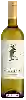
Winery Reunis de CebazanPin d'Alep Sauvignon
 White wine
This wine generally goes well with beef, veal or pasta.

Food and wine pairings with Pin d'Alep Sauvignon
Pairings that work perfectly with Pin d'Alep Sauvignon



Original food and wine pairings with Pin d'Alep Sauvignon
The Pin d'Alep Sauvignon of Winery Reunis de Cebazan matches generally quite well with dishes of beef, pasta or veal such as recipes of provencal stew, phad thai (thai style fried noodles) or traditional veal stew.
Details and technical informations about Winery Reunis de Cebazan's Pin d'Alep Sauvignon.
Discover the grape variety: Lambrusco
Lively, fruity lightly sparkling reds with an intense ruby robe and rosy foam, smooth tannins and a gulping palate of signature red fruits (strawberry, raspberry, cherry), violet, plum and floral notes. A festive and thirst-quenching profile available dry, off-dry and sweet. Stars of Lambrusco di Sorbara DOC, Grasparossa di Castelvetro DOC and Salamino di Santa Croce DOC. Family of native Italian grapes from Emilia-Romagna.
Informations about the Winery Reunis de Cebazan
The Winery Reunis de Cebazan is one of of the world's great estates. It offers 46 wines for sale in the of Pays d'Oc to come and discover on site or to buy online.

The wine region of Pays d'Oc
The single-grape IGP par excellence: modern, accessible, frank and fruity wines, the popular signature of the Midi. Spicy Syrah reds (pepper, blackberry), round Merlot, structured Cabernet, generous Grenache, supple Cinsault. Crisp, tangy rosés. Opulent Chardonnay whites, lively Sauvignon, floral, apricoty Viognier.
The word of the wine: Acidic (flavor)
Acidity is present in all wines, and is essential in white wines. It is due to the presence of different organic acids in the wine, and is expressed in the mouth by a sensation of freshness combined with other elements, such as minerality or a note of bitterness. Moderately present, it brings relief and vivacity to the wine.