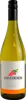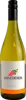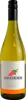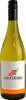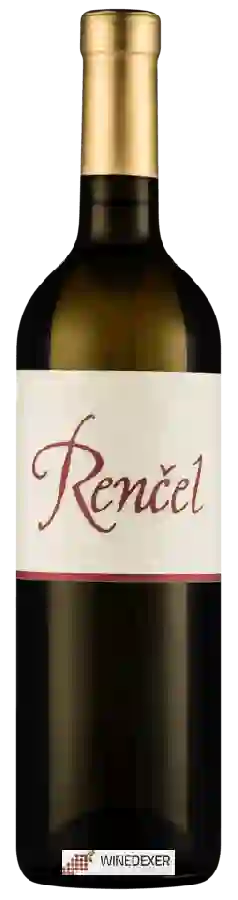
Winery RenčelCuvée Vincent
 White wine


This wine generally goes well with
The Cuvée Vincent of the Winery Renčel is in the top 30 of wines of Karst.





Details and technical informations about Winery Renčel's Cuvée Vincent.
Discover the grape variety: Auxerrois
Rich, round whites with tender mouth and moderate acidity, featuring aromas of ripe yellow fruits, white flowers, subtle honey, fresh almond and brioche notes. Often blended with Pinot Blanc in Alsace (cuvées labelled "Pinot Blanc" often contain a good proportion) and a pillar of Crémant d'Alsace. Also in French and Luxembourgish Moselle, Côtes-de-Toul and Baden. Lorraine grape, a Pinot Noir × Gouais Blanc cross, half-sibling of Chardonnay.
Last vintages of this wine
The best vintages of Cuvée Vincent from Winery Renčel are 0
Informations about the Winery Renčel
The Winery Renčel is one of of the world's greatest estates. It offers 17 wines for sale in the of Karst to come and discover on site or to buy online.

The wine region of Karst
Karst plateau of western Slovenia near the Adriatic, iron-rich red "terra rossa" soils, windy coastal climate (bora). Refosk signature red (mutation of Refosco): intense and vibrant with notes of sour cherry, cranberry, blackberry, mineral iron and a hint of herbs — cutting acidity, called Teran exclusively in Slovenia (EU). Taut and saline Vitovska and floral Malvasia istriana in marine whites. Upright reds with unique ferruginous character.
The wine region of Primorje
Coastal region of western Slovenia, the country's most qualitative, bordering Italy. Signature elegant whites and orange wines. Star Rebula (Ribolla Gialla) with signature notes of pear, citrus, white flowers, fresh almond and a mineral touch, taut and long palate — often in long maceration (orange) with dried fruits and black tea notes. Native Refošk as dense, lively red (black cherry, iron).
The word of the wine: Muscat blanc à petits grains
A white grape variety cultivated since antiquity on the shores of the Mediterranean, it is considered the noblest of the muscats. It is mainly used to make sweet wines, often from mutage. In France, it is the sole variety used in many natural sweet wines: muscat-de-frontignan, muscat-de-mireval, muscat-de-lunel, muscat-de-saint-jean-de-minervois, muscat-de-beaumes-de-venise, muscat-du-cap-corse. Combined with Muscat d'Alexandrie, it gives Muscat-de-Rivesaltes. It is also used to make sparkling white wines (clairette-de-die; moscato d'asti and asti spumante in Italy) and dry wines (alsace-muscat). Powerfully aromatic and complex, its wines evoke fresh grapes, roses, exotic fruits, citrus fruits and spices.