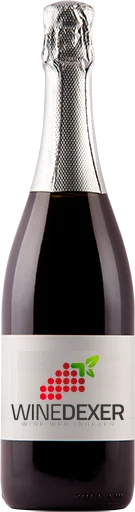
Winery Redwood VineyardsBrut
 Sparkling wine


In the mouth this sparkling wine is a powerful with a nice vivacity and a fine and pleasant bubble.
This wine generally goes well with appetizers and snacks, lean fish or shellfish.

Taste structure of the Brut from the Winery Redwood Vineyards
Light | Bold | |
Soft | Acidic | |
Gentle | Fizzy |
In the mouth the Brut of Winery Redwood Vineyards in the region of California is a powerful with a nice vivacity and a fine and pleasant bubble.
Food and wine pairings with Brut
Pairings that work perfectly with Brut



Original food and wine pairings with Brut

The Brut of Winery Redwood Vineyards matches generally quite well with dishes of shellfish, appetizers and snacks or lean fish such as recipes of cassolettes of scallops, black tapenade or slimming cod squares.
Details and technical informations about Winery Redwood Vineyards's Brut.
Discover the grape variety: Chardonnay
Whites with many faces: mineral and taut at Chablis (lemon, green apple, flint), opulent and buttery at Meursault and Puligny-Montrachet (hazelnut, brioche, yellow fruits), tense and chalky in Champagne (Blanc de Blancs). Also vinified sparkling and widely exported (Sonoma, Margaret River, Casablanca). A Burgundian variety, a cross of Pinot Noir × Gouais Blanc, half-sibling of Aligoté.
Last vintages of this wine
The best vintages of Brut from Winery Redwood Vineyards are 0
Informations about the Winery Redwood Vineyards
The Winery Redwood Vineyards is one of of the world's greatest estates. It offers 9 wines for sale in the of California to come and discover on site or to buy online.

The wine region of California
Powerful, sunny reds: dense Napa Cabernet Sauvignon (blackcurrant, chocolate, tobacco, ample tannins), spicy, jammy Zinfandel from the Sierra Foothills, silky red-fruited Pinot Noir on the cool coast (Sonoma, Russian River, Central Coast). Opulent, buttery Chardonnay, notes of yellow fruit and vanilla. Varied climate, from the hot interior to the Pacific-cooled coast. 80% of US production, 139 AVAs including Napa (1st AVA, 1981).
The word of the wine: Sweet
Wine with a slightly sickening sweetness.