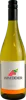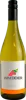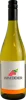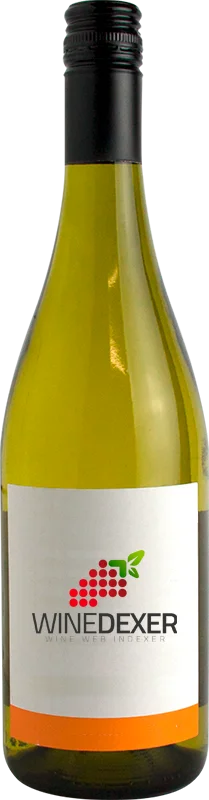
Winery Red RoosterThe Coop Wicked White
 White wine



This wine is a blend of 2 varietals which are the Chardonnay and the Pinot blanc.
This wine generally goes well with pork, vegetarian or poultry.

Food and wine pairings with The Coop Wicked White
Pairings that work perfectly with The Coop Wicked White



Original food and wine pairings with The Coop Wicked White


The The Coop Wicked White of Winery Red Rooster matches generally quite well with dishes of pork, rich fish (salmon, tuna etc) or shellfish such as recipes of eggs in meurette, marmite dieppoise or waterzooï of the sea.
Details and technical informations about Winery Red Rooster's The Coop Wicked White.
Discover the grape variety: Chardonnay
Whites with many faces: mineral and taut at Chablis (lemon, green apple, flint), opulent and buttery at Meursault and Puligny-Montrachet (hazelnut, brioche, yellow fruits), tense and chalky in Champagne (Blanc de Blancs). Also vinified sparkling and widely exported (Sonoma, Margaret River, Casablanca). A Burgundian variety, a cross of Pinot Noir × Gouais Blanc, half-sibling of Aligoté.
Last vintages of this wine
The best vintages of The Coop Wicked White from Winery Red Rooster are 2014, 0, 2015
Informations about the Winery Red Rooster
The Winery Red Rooster is one of of the world's great estates. It offers 35 wines for sale in the of British Columbia to come and discover on site or to buy online.

The wine region of British Columbia
Canada's west-coast benchmark, wine heartland in the Okanagan Valley. Semi-desert continental climate, marked temperature swings: signature Pinot Gris (pear, honey, spice, round palate), fresh, fine Pinot Noir (cherry, undergrowth), precise Chardonnay and taut Riesling in the north. Hot south for dense Cabernet Sauvignon, round Merlot and peppery Syrah. Also exceptional Icewine (Vidal, Riesling).
The word of the wine: White Grenache
White grape variety cultivated mainly in Spain and a little in the south of France (southern Rhône valley, Languedoc-Roussillon). It is the white variety of Grenache noir. It is used in the blending of several white wines (dry wines or natural sweet wines) to which it gives richness, fatness and floral notes.