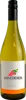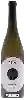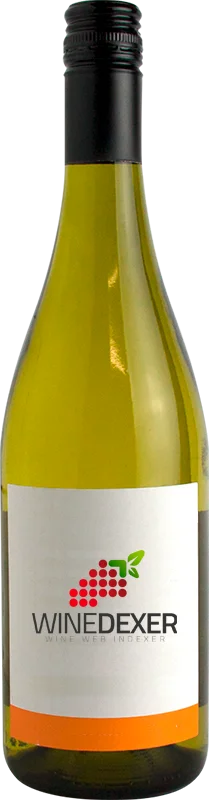
Winery RealiL'Aldifreda Falanghina
 White wine
In the mouth this white wine is a with a nice freshness.
This wine generally goes well with vegetarian, appetizers and snacks or lean fish.
Taste structure of the L'Aldifreda Falanghina from the Winery Reali
Light | Bold | |
Dry | Sweet | |
Soft | Acidic |
In the mouth the L'Aldifreda Falanghina of Winery Reali in the region of Marche is a with a nice freshness.
Food and wine pairings with L'Aldifreda Falanghina
Pairings that work perfectly with L'Aldifreda Falanghina



Original food and wine pairings with L'Aldifreda Falanghina


The L'Aldifreda Falanghina of Winery Reali matches generally quite well with dishes of pasta, vegetarian or appetizers and snacks such as recipes of pasta with 4 cheese sauce, broccoli and blue cheese quiche without pastry or snowman in pudding.
Details and technical informations about Winery Reali's L'Aldifreda Falanghina.
Discover the grape variety: Hibou noir
Very old grape variety cultivated in northern Italy in the Piedmont region. It would have been introduced in Savoy at the beginning of the 17th century. An A.D.N. study, dating from 2011, shows that Hibou noir and Avana are one and the same variety. It should also be noted that Amigne is its half-sister, Rèze its grandmother and Rouge du Pays (a variety from the Swiss Valais) its grandfather.
Informations about the Winery Reali
The Winery Reali is one of of the world's greatest estates. It offers 4 wines for sale in the of Marche to come and discover on site or to buy online.

The wine region of Marche
Marche (or Le Marche; pronounced Mar-kay) is a region in eastern CentralItaly. It is most associated with white wines made from Trebbiano and Verdicchio grapes. Marche occupies a roughly triangular area. Its longer sides are formed by the Apennine Mountains to the west and the Adriatic Sea to the east.
The word of the wine: Tanin
A natural compound contained in the skin of the grape, the seed or the woody part of the bunch, the stalk. The maceration of red wines allows the extraction of tannins, which give the texture, the solidity and also the mellowness when the tannins are "ripe". The winemaker seeks above all to extract the tannins from the skin, the ripest and most noble. The tannins of the seed or stalk, which are "greener", especially in average years, give the wine hardness and astringency. The wines of Bordeaux (based on Cabernet and Merlot) are full of tannins, those of Burgundy much less so, with Pinot Noir containing little.