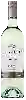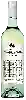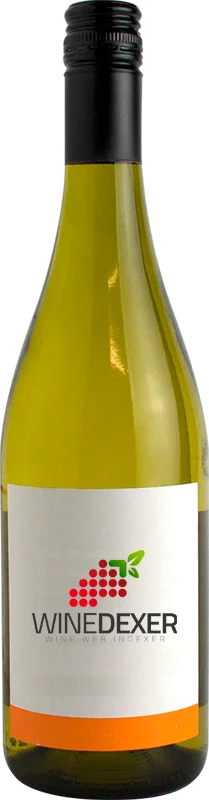
Rawnsley EstateSauvignon Blanc - Sémillon
 White wine


This wine generally goes well with vegetarian, poultry or rich fish (salmon, tuna etc).

Food and wine pairings with Sauvignon Blanc - Sémillon
Pairings that work perfectly with Sauvignon Blanc - Sémillon



Original food and wine pairings with Sauvignon Blanc - Sémillon


The Sauvignon Blanc - Sémillon of Rawnsley Estate matches generally quite well with dishes of rich fish (salmon, tuna etc), shellfish or sweet desserts such as recipes of salmon steaks with soy sauce, cuttlefish rust from my grandmother in sète or express kiwi and chocolate tartlet.
Details and technical informations about Rawnsley Estate's Sauvignon Blanc - Sémillon.
Discover the grape variety: Biancu gentile
Structured, fat dry whites with a pale golden robe, an ample palate and preserved acidity of refined yellow fruits (pear, peach, apricot), candied citrus, white flowers (acacia, hawthorn), fennel and Mediterranean notes. A sunny, expressive profile. Grown on a few hectares in Corse-du-Sud, preserved by growers committed to the ampelographic heritage. Component of Vin de Corse AOC and IGP Île de Beauté. Rare native Corsican grape.
Last vintages of this wine
The best vintages of Sauvignon Blanc - Sémillon from Rawnsley Estate are 0, 2013
Informations about the Rawnsley Estate
The Rawnsley Estate is one of of the world's greatest estates. It offers 11 wines for sale in the of Australie du Sud-Est to come and discover on site or to buy online.

The wine region of Australie du Sud-Est
Macro blending zone covering the southern half of the country (NSW, Victoria, Tasmania, parts of SA and QLD). Accessible, vintage-consistent brand wines: supple fruity Shiraz (blackberry, sweet spice), round Cabernet Sauvignon, gourmet Merlot, opulent Chardonnay (yellow fruit, vanilla), lively Sauvignon Blanc, lemony Sémillon. Status created for export and major international brands. From aperitif to everyday, an affordable, fruity expression of the Australian style.
The word of the wine: Disgorging (champagne)
This is the evacuation of the deposit formed by the yeasts during the second fermentation in the bottle, by opening the bottle. The missing volume is completed with the liqueur de dosage - a mixture of wine and cane sugar - before the final cork is placed. For some years now, some producers have been replacing this sugar with rectified concentrated musts (concentrated grape juice) which give excellent results. A too recent dosage (less than three months) harms the gustatory harmony of the champagne.