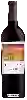
Winery RavenGrenache Rosé
 Pink wine


This wine generally goes well with beef and mature and hard cheese.

Food and wine pairings with Grenache Rosé
Pairings that work perfectly with Grenache Rosé


Original food and wine pairings with Grenache Rosé
The Grenache Rosé of Winery Raven matches generally quite well with dishes of beef or mature and hard cheese such as recipes of simple baked roast beef or spicy squash parmentier.
Details and technical informations about Winery Raven's Grenache Rosé.
Discover the grape variety: Franc de Haute-Saône
Light, fresh reds to drink young, with a lightly coloured clear ruby robe, soft tannins and an airy palate with preserved acidity, showing understated aromas of red fruits. Discreet Jura profile. Now almost extinct, preserved in varietal conservatories for its heritage value, it bears witness to the ampelographic diversity of pre-phylloxera Jura viticulture. French autochthonous black grape from the Haute-Saône vineyard in Franche-Comté.
Last vintages of this wine

The best vintages of Grenache Rosé from Winery Raven are 2016, 0, 2017
Informations about the Winery Raven
The Winery Raven is one of of the world's greatest estates. It offers 1 wines for sale in the of Paso Robles to come and discover on site or to buy online.

The wine region of Paso Robles
Powerful, sun-drenched reds of California's Central Coast: ripe, concentrated Cabernet Sauvignon (40%) with notes of plum and chocolate, round tannins. Emblematic Rhône grapes — fleshy peppery Syrah, fruity Grenache, structured Mourvèdre, Viognier in white. Spicy old-vine Zinfandel, a local signature. AVA of San Luis Obispo, 11 sub-AVAs, Mediterranean climate with thermal swings on limestone soils.
The wine region of California
Powerful, sunny reds: dense Napa Cabernet Sauvignon (blackcurrant, chocolate, tobacco, ample tannins), spicy, jammy Zinfandel from the Sierra Foothills, silky red-fruited Pinot Noir on the cool coast (Sonoma, Russian River, Central Coast). Opulent, buttery Chardonnay, notes of yellow fruit and vanilla. Varied climate, from the hot interior to the Pacific-cooled coast. 80% of US production, 139 AVAs including Napa (1st AVA, 1981).
The word of the wine: Deposit
Solid particles that can naturally coat the bottom of a bottle of wine. It is rather a guarantee that the wine has not been mistreated: in fact, to avoid the natural deposit, rather violent processes of filtration or cold passage (- 7 or - 8 °C) are used in order to precipitate the tartar (the small white crystals that some people confuse with crystallized sugar: just taste to dissuade you from it)